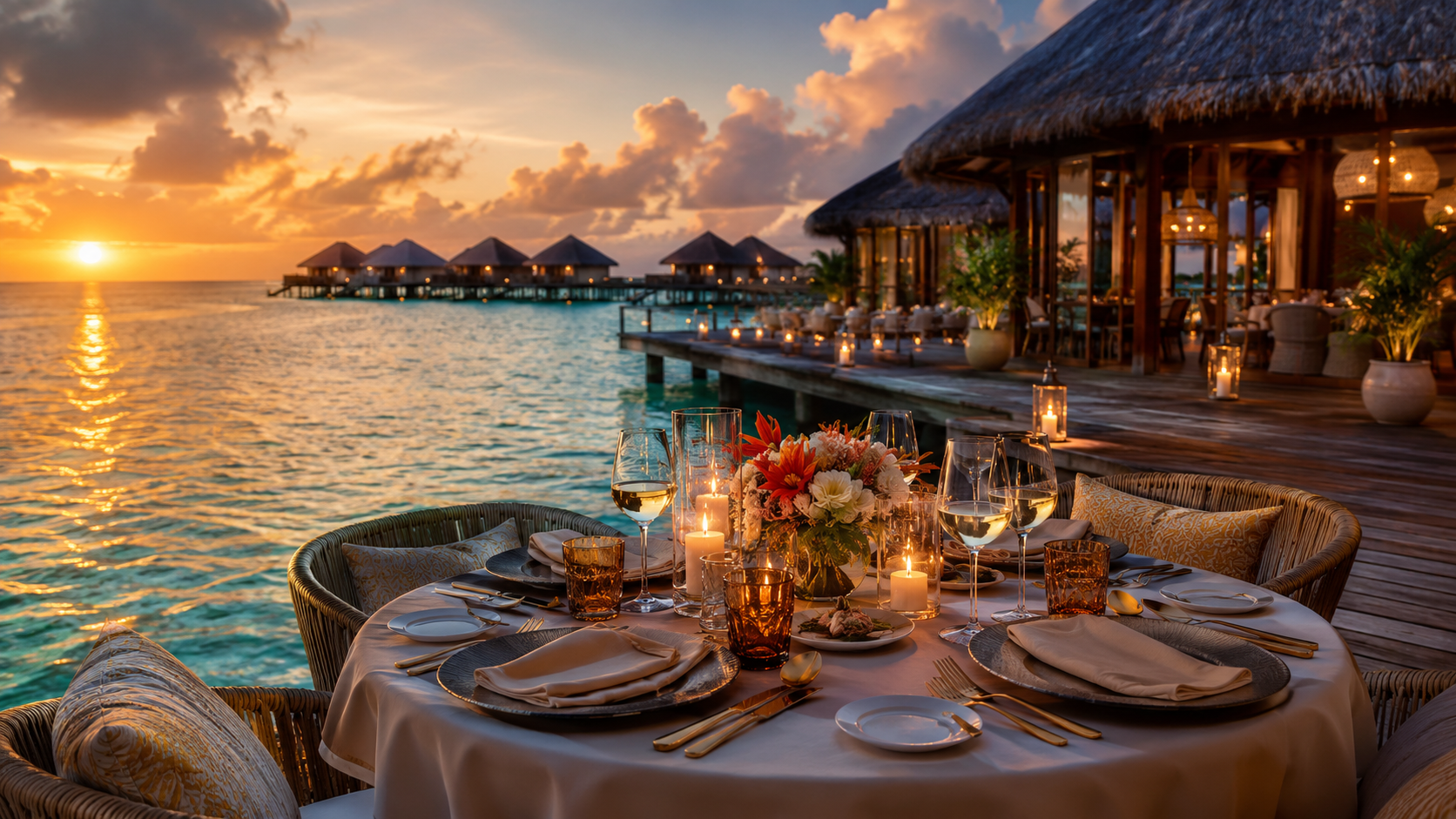
How Much Spending Money Do You Need in the Maldives?
How Much Spending Money Do You Need in the Maldives?
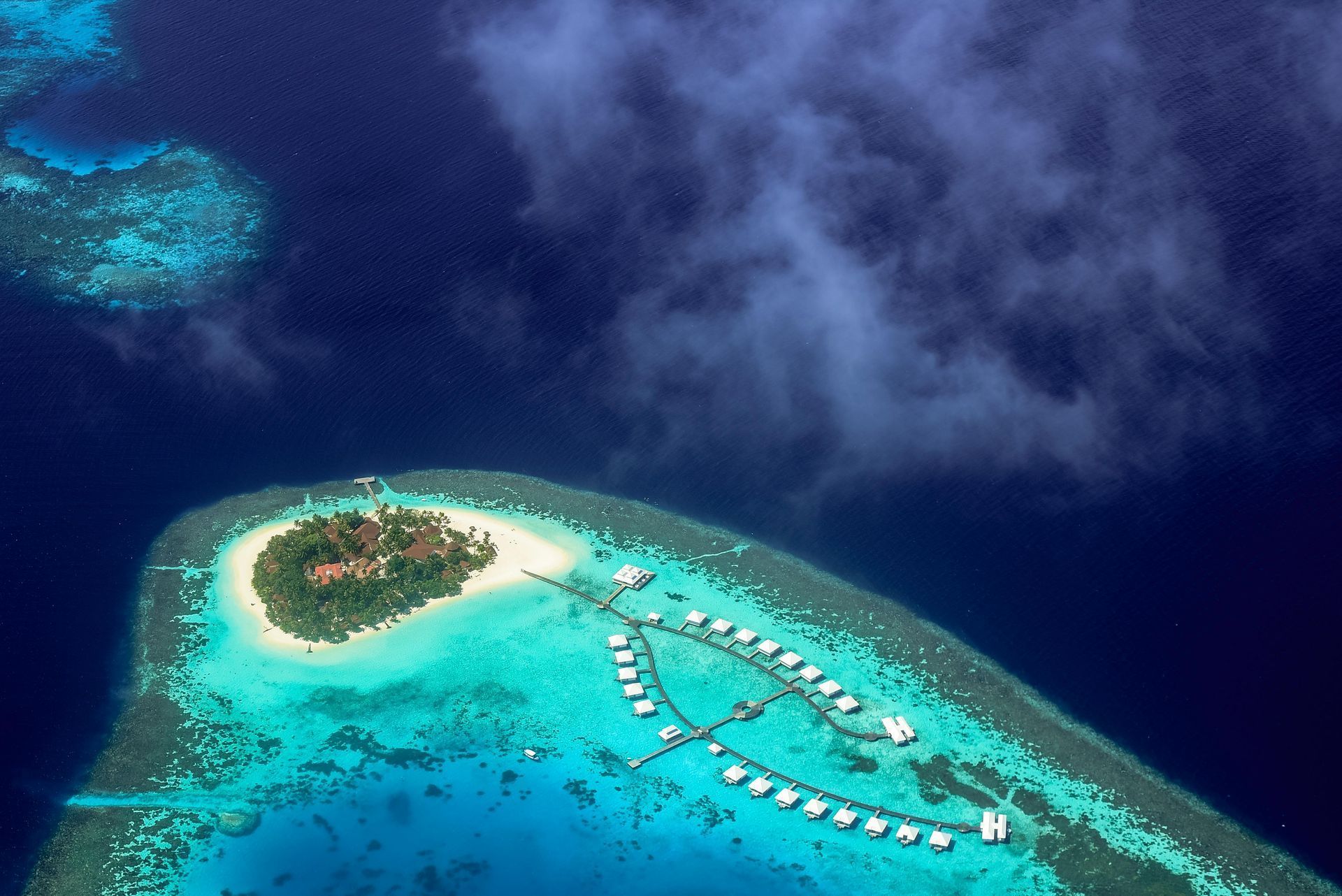
Working out your Maldives spending money can be surprisingly confusing. You may already have paid thousands of pounds for flights, your resort, transfers and perhaps an all-inclusive package — so do you still need £100 a day, £1,000 for the week, or a wallet full of US dollars?
The answer depends far more on what your exact resort package includes than on how luxurious the resort looks. A couple staying on a genuinely comprehensive premium all-inclusive plan could finish a seven-night holiday having paid for little more than tips and a couple of optional treats. Another couple at a similar resort on half board could easily spend four figures on lunches, drinks, excursions and other extras.
That is why there is no useful one-size-fits-all answer. This guide explains what UK travellers should actually budget for, what can appear on your resort bill, whether you need US dollars or Maldivian rufiyaa, how tipping works, and how your meal plan changes the amount of spending money you need.
For broader practical advice before travelling, our Maldives travel guide for UK travellers covers everything from flights and transfers to currency, arrival and everyday life on the islands.
Last reviewed: 9 August 2026. This guide was reviewed by Jamie Wake, founder of Holidays to the Maldives and Jamie Wake Travel. Resort inclusions, menus, taxes and activity prices can change, so always check the current information for your own booking before travelling.
In This Maldives Spending Money Guide
- How much to budget by board basis
- What counts as spending money once your holiday is booked
- What can appear on your resort bill
- All-inclusive, full board and half-board spending differences
- Food and drink costs at Maldives resorts
- Excursions, diving, spa and motorised water sports
- Tourism GST, Green Tax and service charges
- Cash, cards, US dollars and Maldivian rufiyaa
- Tipping guidance for UK travellers
- Three resort examples showing why spending varies
- Worked seven-night budgets
- Ten practical FAQs
Maldives Spending Money: The Quick Answer
For most private-island resort holidays, we would not recommend simply multiplying an arbitrary figure such as £100 by the number of days you are away. Start with your board basis instead.
| Holiday type | What is normally already covered | What you may still spend on | Useful 7-night planning allowance for two |
|---|---|---|---|
| Premium all-inclusive | Meals, extensive drinks, snacks and often selected activities/experiences | Tips, premium extras, additional spa/diving, shopping | £250–£600 |
| Standard all-inclusive | Main meals and selected drinks | Premium drinks, some restaurants, excursions, spa, diving | £400–£900 |
| Full board | Breakfast, lunch and dinner | Most drinks, activities, spa, excursions | £500–£1,000 |
| Half board | Usually breakfast and dinner | Lunch, drinks, activities, spa, excursions | £800–£1,500 |
| Bed & breakfast at a private resort | Breakfast | Lunch, dinner, drinks and virtually all extras | £1,200–£2,200+ |
For two adults over seven nights, a useful planning allowance might be around £250–£600 on premium all-inclusive , £400–£900 on standard all-inclusive , £500–£1,000 on full board , £800–£1,500 on half board , or £1,200–£2,200 or more on bed and breakfast at a private resort . These figures assume flights, accommodation and resort transfers are already paid, and they exclude unusually expensive extras such as repeated diving, multiple spa treatments, private boat charters or premium bottles of wine.
They are deliberately broad. A premium all-inclusive couple who spend their days snorkelling, relaxing and enjoying included restaurants may barely touch their allowance. A couple who book a couples' massage, private sandbank dinner, dolphin cruise and several bottles of premium wine may spend considerably more even though they are technically staying all-inclusive.
The most useful question is therefore not simply, “How much money should I take?” It is: “What am I likely to want that my package does not already include?”
First: What Counts as Spending Money in the Maldives?
One reason online answers about Maldives budgets vary so much is that people often calculate completely different things. Someone may say they spent £3,000 during a week in the Maldives but include their accommodation. Someone else may say they spent £200 because they stayed on all-inclusive and are talking purely about extras.
For this guide, spending money means what you are likely to pay after your main holiday arrangements are already booked .
- Meals not covered by your board basis
- Alcoholic and non-alcoholic drinks outside your plan
- Premium wine, Champagne or spirits
- Restaurant supplements
- Minibar items
- Room service
- Spa treatments
- Diving
- Motorised water sports
- Dolphin cruises and other excursions
- Private dining and sandbank experiences
- Photography packages
- Resort shops and souvenirs
- Anniversary, proposal or honeymoon extras
- Tips
- Any taxes or charges specifically shown on your paperwork as payable locally
Flights, the villa and pre-arranged transfers should not automatically be counted again. Resort transfers can themselves be a substantial part of the overall holiday price, but where your speedboat, seaplane or domestic-flight connection has already been included in your booking, it is not additional spending money. Our guide to Maldives airport transfers explains how those arrangements normally work.
If you are still working out the overall cost rather than simply your pocket money, read our guide to how much a Maldives holiday costs from the UK .
What Can Actually Appear on Your Maldives Resort Bill?
Most private Maldives resorts operate a room-account system. Rather than paying cash each time you order something, chargeable purchases are commonly signed to your villa and settled later.
Depending on your meal plan, your Maldives resort bill could therefore include drinks outside your package, premium wine or Champagne, restaurant supplements, à la carte dining, minibar items, room service, spa treatments, diving, motorised water sports, excursions, private boat trips, special dinners, photography, celebration arrangements, resort-shop purchases and other personal extras.
| Extra-cost category | Common examples | Often included? | Budgeting advice |
|---|---|---|---|
| Food & drink | Lunch, premium drinks, speciality restaurants, room service | Depends heavily on board basis | Check current menus and exact meal-plan inclusions |
| Excursions | Dolphin cruise, snorkelling trip, sunset cruise, sandbank trip | Sometimes on premium plans | Check whether inclusions are once per stay and whether taxes/charges are included |
| Diving | Intro dive, boat dives, equipment, courses | Usually extra; selected dives may be included on premium plans | Budget separately if diving is a main reason for travel |
| Motorised water sports | Jet ski, parasailing, wakeboarding, water-skiing | Frequently extra | Get the current water-sports price list |
| Spa | Individual or couples' treatments | Usually extra; sometimes credits/treatments included | Price planned treatments before travel |
| Special dining | Private beach dinner, sandbank dinner, floating breakfast | Usually extra | Check whether a dining credit or honeymoon benefit applies |
| Celebration extras | Photography, flowers, cake, room decoration, Champagne | Usually extra | Ask what the resort already provides for honeymoons/anniversaries |
| Tips | Personal gratuities to staff | Not part of standard package | Set a voluntary amount you are comfortable with |
| Shopping & incidentals | Resort shop, souvenirs, forgotten toiletries | Extra | Pack essentials and keep a small contingency |
That is another reason a resort's all-inclusive fact sheet is more valuable than a generic Maldives spending money per day figure. Before travelling, ask yourself which of those things you are genuinely likely to buy. If the answer is “none of them”, your spending budget can remain relatively small. If three or four are already on your wish list, price them before you travel rather than treating them as unexpected expenditure.
Private resort shops are also not the cheapest place to discover that you have forgotten high-factor sun cream, toiletries or another everyday essential. Our Maldives packing list can help reduce avoidable purchases once you arrive.
How Much Spending Money Do You Need on All-Inclusive?
This is where the Maldives can become either wonderfully predictable or unexpectedly expensive. The words “all-inclusive” do not have one universal meaning.
Premium All-Inclusive
At the most comprehensive end, you can find Maldives plans covering considerably more than three buffet meals and house drinks. Depending on the resort and length of stay, a premium package might include buffet and à la carte dining, premium wines and spirits, Champagne, cocktails, snacks, minibar replenishment, selected excursions, non-motorised water sports, snorkelling equipment, spa treatments, selected diving, sunset cruises or special dining experiences.
At resorts like these, your spending money can genuinely become optional rather than essential. You might therefore take a relatively modest contingency for tips, souvenirs and anything particularly indulgent that falls outside the package.
Standard All-Inclusive
A standard all-inclusive plan needs more scrutiny. It may cover your buffet meals and a perfectly good drinks selection but charge extra for premium spirits, Champagne, bottled wines, some cocktails, à la carte restaurants, lobster or speciality dishes, private dinners, room service, some minibar items, spa treatments, motorised water sports, diving and excursions.
This is why Maldives all inclusive spending money can vary from almost nothing at one resort to hundreds of pounds at another. Two packages can carry the same label while producing very different final room bills.
If you are still deciding how comprehensive you need your package to be, our Maldives all-inclusive holidays guide explains the different approaches resorts take to meals, drinks, activities and extras.
Before travelling, read your resort's current fact sheet rather than relying solely on the words “all-inclusive” on the booking confirmation. Our dedicated guide to what’s included in an all-inclusive Maldives resort explains exactly what to look for.
If you are still choosing a board basis, our comparison of all-inclusive vs half board in the Maldives can help you decide whether paying more before travelling could reduce what you spend once you arrive.
How Much Spending Money Do You Need on Half Board or Full Board?
Half board can look considerably cheaper when you compare initial holiday prices. Sometimes it is. Sometimes it isn't.
On full board, your three main meals are normally covered, so drinks are usually the biggest everyday variable. If you mainly drink water and soft drinks, your total may remain manageable. Add cocktails around the pool, wine with dinner and a few drinks in the evening and the difference can grow quickly.
Half board typically leaves lunch uncovered as well. That matters in the Maldives because you are not usually staying in a hotel surrounded by independent cafés and supermarkets. On a private resort island, the resort effectively is the destination .
If lunch costs £25–£40 per person and you then add drinks, a couple can easily spend the equivalent of £70–£100 during the middle of the day without doing anything particularly extravagant. Over seven or ten nights, the gap between half board and all-inclusive can begin to narrow.
This does not mean everyone should book all-inclusive. Someone who eats a large breakfast, skips lunch, barely drinks alcohol and prefers one or two special meals may be perfectly suited to half board. The correct decision is based on how you actually holiday , not which board basis has the lowest starting price.
For more detail on the dining experience itself, see our guide to Maldives resort dining .
What Do Food and Drinks Cost at Maldives Resorts?
There is no single guide to Maldives resort prices , because every island sets its own dining, drinks and activity pricing. A four-star island and an ultra-luxury private resort can have dramatically different menus, and whether taxes and service charges are shown within the displayed menu price also varies.
Current resort menus demonstrate how wide that range can be. At Cinnamon Hakuraa Huraa, the current Corals Restaurant menu lists examples such as starters from US$18, with all displayed prices in US dollars and inclusive of a 10% service charge and 17% Goods and Services Tax. The resort also states that Corals is chargeable to guests regardless of meal plan. You can check the latest details on the Cinnamon Hakuraa Huraa dining page.
At the considerably more expensive Four Seasons Resort Maldives at Kuda Huraa, the current poolside menu includes examples such as fish tacos at US$38 and burgers from US$46 upwards, with a 10% service charge and applicable taxes added. That is a useful reminder that the phrase “resort lunch” can mean very different things at different properties. Current pricing can be checked on the Four Seasons Kuda Huraa menu.
Maldives food and drink prices also extend beyond alcohol. Soft drinks, freshly made juices, speciality coffees and bottled water can all become daily costs where they are not included in your meal plan. One bottle of water or one soft drink is unlikely to alter your holiday budget, but several drinks per person every day over a seven- or ten-night stay can.
The lesson is not that one resort is “expensive” and another “cheap”. They represent completely different products. The useful lesson for your spending budget is simple: get the current menus for the resort you are actually booking . A difference of US$10 on a drink or US$20 on a lunch may not sound dramatic in isolation. Multiply it across two people, several drinks and seven or ten days and it becomes significant.
How Much Should You Budget for Excursions, Diving, Spa and Extras?
Food and drinks are predictable. Experiences are where Maldives spending money can change very quickly.
Excursions
Typical resort excursion menus may include dolphin cruises, sunset cruises, sunset fishing, snorkelling trips, turtle or manta excursions, local island visits, sandbank trips and private speedboat experiences.
Some all-inclusive plans include one or more group excursions, so check before paying for something that may already be part of your package. When comparing Maldives excursions cost , also check whether tax and service charge are already included in the displayed rate.
Diving
Diving deserves its own budget. A single introductory experience and a multi-dive package are completely different purchases. Equipment rental, boat dives, certification courses and trips to particular dive sites can all affect the total.
Maldives diving costs also vary according to whether equipment, boat transfers and certification are included. If diving is a major reason for travelling, treat it as a planned holiday cost rather than hoping your normal spending allowance will absorb it.
Motorised Water Sports
Jet skis, wakeboarding, parasailing, water-skiing and other motorised activities are frequently outside standard all-inclusive packages, even where kayaking, paddleboarding or snorkelling equipment is included.
Maldives water sports prices vary by resort and by whether the activity is charged per person, per session or by time. If motorised water sports are something you know you will want to try, check the resort's current water-sports centre price list before departure. They are exactly the kind of spontaneous purchase that can turn a seemingly generous spending allowance into a much larger room bill.
Spa
The same applies to spa treatments. One couples' massage may be the special treat of the holiday. Daily treatments at a luxury spa could completely transform your budget.
Comparing current Maldives spa prices before travelling is especially useful if treatments are an important part of your holiday. Some premium all-inclusive plans include selected treatments, making it particularly important to compare the inclusions before paying locally.
Special Dining
Private sandbank dinners, floating breakfasts, underwater restaurants, lobster dinners and romantic beach meals are classic Maldives experiences — and are often exactly the things people want to add once they arrive.
If you are travelling for a honeymoon or anniversary, our guide to Maldives honeymoon upgrades worth paying for looks at which extras can genuinely add something to the experience.
Photography and Celebration Extras
Honeymoons, anniversaries, birthdays and proposals often create another spending category. Resorts may offer professional photography, room decoration, cakes, flowers, Champagne, floating breakfasts, private cruises and other celebration packages.
Some honeymoon benefits are complimentary when eligibility requirements are met, while others are chargeable upgrades. If you are travelling for an occasion, ask what is included before buying additional arrangements. It is easy to pay for something that the resort may already provide as part of an anniversary or honeymoon offer.
Maldives Taxes and Service Charges: Will They Be Added to Your Bill?
This is one area where older Maldives budgeting articles can now be misleading.
Maldives Tourism Goods and Services Tax - commonly called TGST - is currently 17% . The Maldives Inland Revenue Authority confirms that the tourism-sector rate increased from 16% to 17% from 1 July 2025 and applies to tourism goods and services, including services supplied by tourist establishments and businesses such as spas, diving schools and water-sports facilities operating within them.
There is also a Green Tax. From 1 January 2025, the Maldives Inland Revenue Authority Green Tax guidance confirms a rate of US$12 per person per day at tourist resorts and most other tourist accommodation. Qualifying hotels, tourist hotels and guesthouses on inhabited islands with 50 or fewer registered rooms are charged at US$6 per person per day . Children under two are exempt.
That does not mean you should automatically add another US$12 per person per day to your spending-money envelope. Check your holiday documents first. If the Green Tax has already been included in the package or accommodation price, you do not pay it twice.
You may also see resort prices described informally as “++”. This generally indicates that additional service charge and tax apply to the displayed base price. A 10% service charge is widely seen in published Maldives resort menus, but presentation varies. Some menus show the final price including charges; others show the base price and add charges afterwards.
Always check whether the figure you are looking at is the final amount you will actually pay .
Cash or Card in the Maldives?
If you are staying entirely on a private resort island, you generally do not need to carry large amounts of cash. Most resorts allow extras to be charged to your room and settled by card, with resort services commonly priced in US dollars.
Some resorts may also request a card pre-authorisation or other security for incidental spending when you check in. Policies vary considerably, so check your individual resort rather than assuming this will or will not happen. If a pre-authorisation is taken, remember that it can temporarily reduce the available balance or credit on that card.
Cards are extremely convenient, but UK travellers should check their own bank or card provider's current overseas transaction and currency-conversion fees before travelling. If the resort bill is presented in US dollars and the payment terminal offers to convert the total into pounds, compare the exchange rate carefully. Automatic sterling conversion can be convenient, but convenience does not necessarily mean good value.
Cash is still useful for tipping and small incidental purchases. If you want to tip in cash, taking a supply of small, good-condition US dollar notes is usually far more practical than carrying hundreds of dollars in large denominations.
Do not rely on being able to withdraw cash whenever you feel like it. Private resort islands are self-contained environments rather than towns with a high-street banking network.
Do You Need Maldivian Rufiyaa?
The official local currency is the Maldivian rufiyaa, or MVR.
For travellers spending their entire holiday on a private resort island, there is usually little reason to exchange a large amount of sterling into rufiyaa before leaving the UK. Resorts commonly price guest spending in US dollars and accept major payment cards.
The answer changes slightly if your itinerary includes Malé or inhabited local islands. Local shops, cafés, ferries and smaller businesses may transact in rufiyaa, so having local currency can become more useful once you move away from the private-resort environment.
That distinction matters because online advice aimed at backpackers or local-island travellers often gets repeated to people staying at five-star private resorts — and vice versa. They are two very different styles of Maldives holiday.
For most private-resort holidays, there is therefore no need to exchange a large amount of money before leaving the UK. A sensible approach is usually to take a modest amount of good-condition US dollar cash if you want it for tips, alongside suitable payment cards. Travellers combining a resort with Malé or a local island may have more reason to obtain rufiyaa during the trip.
How Much Should You Tip in the Maldives?
Tipping is appreciated in the Maldives, but it should not become another source of anxiety.
There is no official tourist tipping tariff telling you that you must give a particular amount to every member of staff. Many resorts already add a service charge, while personal tips remain a voluntary way of recognising someone who has looked after you particularly well.
Guests commonly choose to tip villa attendants, restaurant and bar staff, island hosts or butlers, luggage staff, excursion crews, dive teams and spa therapists.
Small US dollar notes are convenient. A US$5 or US$10 tip for particularly good service can be perfectly meaningful; someone who has looked after you throughout an entire week may receive a larger end-of-stay tip. You can tip as you go or recognise key team members towards the end of the holiday.
The important point is that tipping is personal and discretionary . Budget an amount you are comfortable with rather than treating social-media tipping figures as compulsory charges.
Three Maldives Resorts That Show Why Spending Money Varies So Much
The easiest way to understand Maldives budgeting is to look at real resorts with very different approaches.
OZEN LIFE MAADHOO — When Premium All-Inclusive Really Is Comprehensive
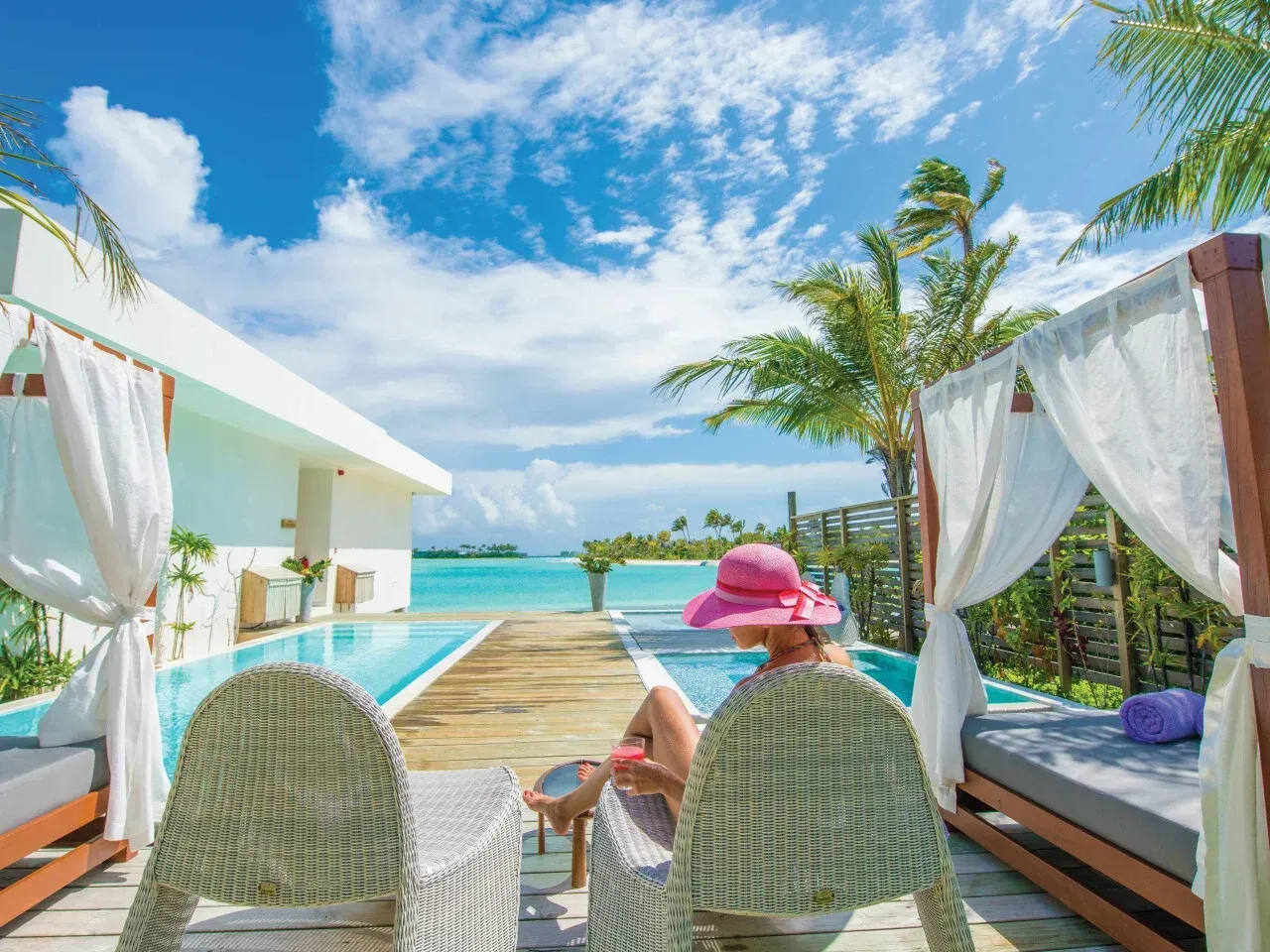
Best for: Couples, honeymooners and travellers who want most holiday spending agreed before departure.
OZEN LIFE MAADHOO is a strong example of why a more expensive package can result in very little spending once you arrive. Its current INDULGENCE Plan is positioned around extensive all-inclusive dine-around experiences, premium spirits, selected Indian Ocean excursions and luxury spa treatments. The resort describes the plan as having “just about everything included”, although exact inclusions and stay-based benefits should always be checked for your travel dates. See the current OZEN LIFE MAADHOO information before relying on any individual inclusion.
Why it can work financially: when dining, drinks and several experiences are genuinely covered, your spending budget can concentrate on tips, souvenirs and completely optional indulgences rather than everyday food and drink.
Buying guidance: do not compare the package only with a cheaper resort on half board. Compare the cost of the things you would actually buy separately. For travellers who enjoy premium drinks, spa and experiences, paying more before travel can create a more predictable final bill.
NIVA Kuramathi — When Your Meal Plan Changes Everything
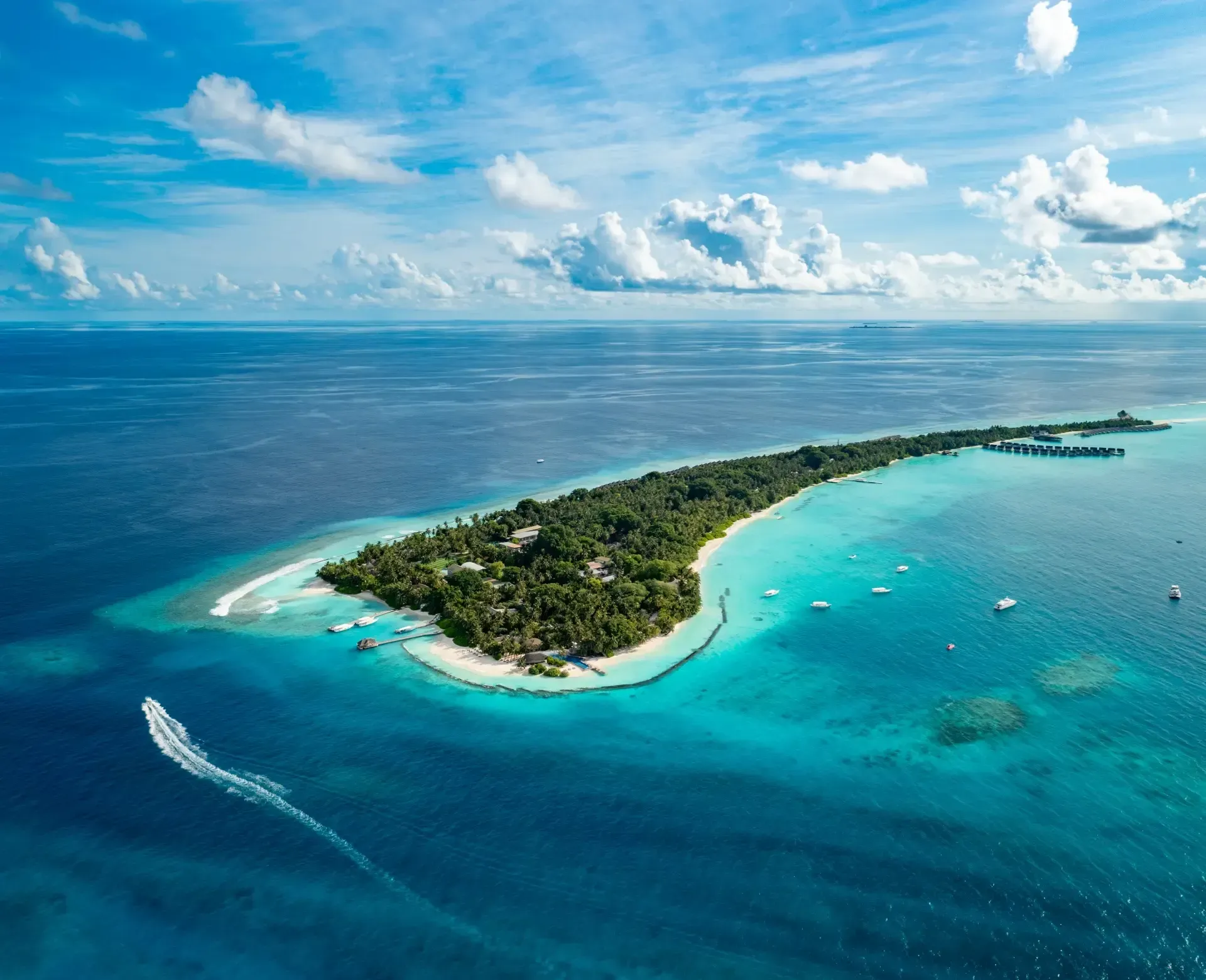
Best for: Travellers who want a large choice of restaurants and bars and the freedom to choose how much to prepay.
NIVA Kuramathi is almost the perfect demonstration of why nobody should publish one universal Maldives spending-money figure. Its current dining information lists Premium All Inclusive, Full Board, Half Board and Bed & Breakfast , alongside three buffet restaurants, nine à la carte restaurants and seven bars. Current meal-plan information is available on the NIVA Kuramathi dining page.
Two couples could therefore stay on the same island at exactly the same time and need completely different spending budgets. A Premium All Inclusive guest has much more controlled day-to-day expenditure. Someone staying Half Board needs to think about lunch and drinks. A Bed & Breakfast guest is choosing considerably more dining freedom but also greater on-island expenditure.
Spending-money lesson: the resort is not the budget. The rate plan is.
Buying guidance: Kuramathi particularly rewards travellers who compare the meal plan with their real habits. If you love trying different restaurants and drinks, the more comprehensive plan may be easier to budget. If you eat lightly and value flexibility, a lower board basis can still make sense.
Cinnamon Hakuraa Huraa — All-Inclusive Does Not Mean Every Restaurant Is Included
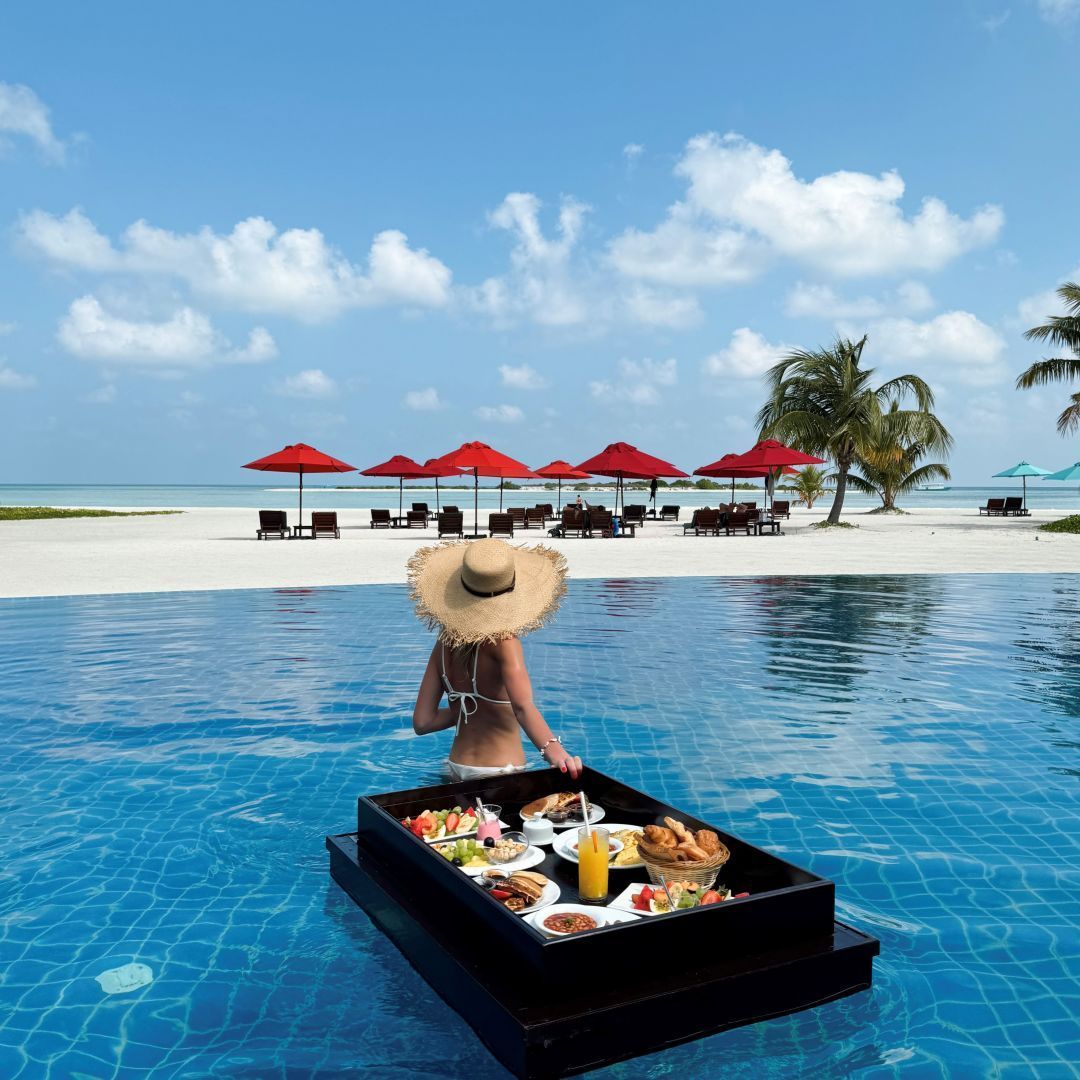
Best for: Travellers who want the security of all-inclusive while retaining the option to pay for additional dining experiences.
Cinnamon Hakuraa Huraa provides another useful lesson. The resort currently advertises both All Inclusive and Premium All Inclusive packages. It also states that Corals Restaurant is chargeable to all guests regardless of meal plan, demonstrating why guests should still check which venues sit outside the package. See the resort's current dining package information and restaurant details before travelling.
That does not make the meal plan poor value. It means guests have optional experiences available beyond what they have prepaid.
Spending-money lesson: never assume the phrase “Premium All Inclusive” means there is literally nothing left on the island you can spend money on.
Buying guidance: if speciality dining matters to you, identify which restaurants are included, which are discounted and which are fully chargeable before comparing this resort with another all-inclusive option.
A Simple 7-Night Maldives Spending-Money Budget
The most useful way to estimate 7 nights Maldives spending money is to build the total from individual choices rather than deciding on a daily allowance first. The examples below are deliberately illustrative rather than resort quotations. Actual prices vary enormously between islands, and current resort price lists should always take priority.
| Scenario | Example extras for two adults | Illustrative 7-night budget |
|---|---|---|
| Premium all-inclusive couple | Tips £100 + one paid experience £150 + small purchases £50 + contingency £150 | Around £450 |
| Standard all-inclusive couple | Tips £100 + couples' spa treatment £250 + two excursions £250 + premium drinks/speciality dining £150 + contingency £150 | Around £900 |
| Half-board couple | Lunches £350 + drinks £300 + tips £100 + one excursion £150 + contingency £200 | Around £1,100 |
Scenario A: Premium All-Inclusive Couple
Imagine two adults staying seven nights on a genuinely comprehensive premium all-inclusive plan. Their main meals, most drinks, minibar and several activities are already included.
They decide to book one additional experience for around £150, allow approximately £100 for personal tips, spend £50 on small purchases and keep £150 available as a contingency. That produces a working spending budget of about £450 for the couple .
They may spend less. The important point is that they do not need £100 every day simply because they are in the Maldives.
Scenario B: Standard All-Inclusive Couple
Now take two adults whose standard all-inclusive package covers meals and selected drinks but not spa treatments, premium experiences or every excursion.
They plan approximately £250 for a couples' spa treatment, £250 for two paid excursions, £150 for premium drinks or speciality dining, £100 for tips and £150 as contingency. Their working budget becomes approximately £900 for seven nights .
This is why Maldives all inclusive spending money varies so much between resorts. The words “all-inclusive” alone tell you very little about what will eventually appear on your room account.
Scenario C: Half-Board Couple
For two adults on half board, breakfast and dinner may already be covered, but lunch and most drinks are not.
If they average approximately £50 per day between them on lunch, that becomes £350 during the week. Add roughly £300 for drinks, £150 for an excursion, £100 for tips and £200 contingency and their working allowance reaches around £1,100 .
A couple who enjoy wine, cocktails and longer lunches could spend considerably more. A couple who eat a substantial breakfast, skip lunch and drink very little may spend considerably less.
What About Families?
A Maldives budget for families should not simply double the figure for a couple. Children's meal plans, drinks, excursions and activities may be free, reduced or fully chargeable depending on the resort and the child's age.
Families should therefore repeat exactly the same calculation using the children's actual resort inclusions rather than applying a generic per-person figure. If you are planning with children, our Maldives family holidays guide explains the wider resort and planning decisions that matter.
How to Work Out Your Own Maldives Spending Money Before You Travel
The best Maldives spending-money calculation takes about twenty minutes and is far more accurate than any generic online figure.
1. Read Your Exact Meal-Plan Inclusions
Do not stop at “All Inclusive”. Find the actual resort fact sheet for your travel dates and check the dining venues, drinks list, minibar, snacks, activity credits and any stay-length conditions.
2. Highlight Everything That Costs Extra
Look specifically for premium drinks, restaurant supplements, room service, minibar, spa, diving, motorised water sports, excursions and private dining. These are the items most likely to turn a low day-to-day spend into a much larger room account.
3. Get the Current Price Lists
Ask for or download the current restaurant menus, bar lists, spa menu, dive-centre prices, water-sports list and excursion menu. Prices change, so a five-year-old forum post is much less valuable than today's resort information.
4. Choose Your Must-Do Experiences
If swimming with manta rays, having a couples' massage or booking a sandbank dinner matters to you, budget it before you travel. Do not call something “unexpected spending” when you already know you want to do it.
5. Add a Contingency
Once your likely extras are covered, add a comfortable buffer. That means the spare money is genuinely there for spontaneity rather than being secretly required to pay for lunch.
If you are still choosing between resorts or meal plans, this is exactly the kind of detail worth comparing before you book. Holidays to the Maldives can help you look beyond the headline package price and compare what different resorts actually include, so you can choose an island that suits both the experience you want and the amount you are comfortable spending once you arrive.
Jamie Says:
“The biggest mistake I see with Maldives spending money is starting with an arbitrary figure — ‘We’ll take £100 a day’ — before anyone has checked the meal plan.
Reverse it. Find out exactly what your resort includes first, then price the things you genuinely want that sit outside it.
One couple on premium all-inclusive might only need money for tips and a massage. Another couple on half board could be paying for lunch, every drink and several excursions.
I also never assume that two packages labelled ‘All Inclusive’ are comparable. One may include premium drinks, minibar, à la carte dining and excursions; another may mainly cover buffet meals and a selected drinks list. That difference is often more important to the final holiday cost than a few hundred pounds' difference in the original quote.
I would much rather help someone choose the right board basis before they travel than tell them to take a huge spending-money allowance just in case.”
Frequently Asked Questions About Maldives Spending Money
How much spending money do I need for 7 days in the Maldives?
For two adults staying seven nights at a private Maldives resort, the amount can range from a few hundred pounds on a comprehensive premium all-inclusive package to well over £1,000 on half board. The important factor is not simply the number of nights but what is already included. If meals, drinks, minibar and selected activities are covered, you may only need tips and money for optional experiences. On half board, allow for lunch and drinks every day as well as excursions or spa treatments. Always calculate from your exact resort plan rather than using one fixed daily allowance.
How much spending money do I need for 10 days in the Maldives?
A ten-night holiday does not automatically mean multiplying a seven-night budget by ten-sevenths. Some costs, such as an excursion or spa treatment, happen once rather than every day, while food and drinks accumulate daily. Premium all-inclusive travellers may need only a modest increase in contingency compared with a seven-night stay. Half-board and bed-and-breakfast guests should expect a larger increase because additional lunches, dinners or drinks are required on each extra day. Build the budget using daily uncovered costs first, then add one-off experiences, tipping and a contingency. That produces a more realistic figure than a simple “£100 per day” calculation.
How much spending money do I need for an all-inclusive Maldives holiday?
On a genuinely comprehensive all-inclusive holiday, two adults could reasonably plan around £300–£600 for seven nights if they only expect to pay for tips, one optional experience and incidental purchases. However, “all-inclusive” varies enormously between resorts. Premium wine, certain restaurants, spa treatments, diving, motorised water sports and private excursions may still be charged separately. Check your actual inclusion sheet before choosing the budget. The more comprehensive your plan, the less additional cash or card spending you are likely to need once you arrive, but no all-inclusive label should be treated as proof that every service on the island is free.
Should I take US dollars or Maldivian rufiyaa to the Maldives?
For a private-island resort holiday, US dollars are generally more useful than Maldivian rufiyaa because resort prices and guest accounts are commonly denominated in dollars. Most substantial purchases can normally be settled by card, so you do not need to arrive carrying large quantities of currency. Small US dollar notes can be useful for voluntary tips. Rufiyaa becomes more relevant if you are spending time in Malé or on inhabited local islands, where local businesses may price goods and services in the domestic currency. For a conventional UK resort holiday, avoid exchanging a large amount into rufiyaa unless your particular itinerary gives you a reason to need it.
Can I use my bank card in Maldives resorts?
Major cards are widely accepted at private Maldives resorts, and guests commonly charge food, drinks, spa treatments and activities to their room before settling the account. Check your own bank or card provider's overseas transaction fees before leaving the UK because charges can vary substantially. Resort bills are often denominated in US dollars, so also pay attention if a payment terminal offers to convert the amount into sterling. The offered conversion may not be the best available rate. It is sensible to travel with more than one payment method and a small amount of emergency cash rather than relying exclusively on one card.
Do I need cash for tips in the Maldives?
You do not have to carry cash purely because tipping is expected — tips are discretionary — but small US dollar notes are very convenient if you want to reward good service during your stay. Guests may choose to tip villa attendants, restaurant staff, bar teams, excursion crews, dive staff or an island host. You can give occasional small tips during the holiday or thank particular members of staff at the end. There is no official amount that every visitor must follow. Decide what feels appropriate for the service you receive and build a modest tipping allowance into your budget rather than feeling obliged to copy somebody else's tipping schedule.
Is tipping expected in the Maldives?
Tipping is appreciated at Maldives resorts but is not a compulsory tourist charge. Many resorts already apply a service charge to chargeable services, but that does not prevent guests from personally recognising exceptional service if they wish. Some travellers tip individual team members throughout the holiday; others leave something for their villa attendant, waiter or island host at the end. There is no universal Maldives tipping rule. Small US dollar notes are convenient if you choose to tip. The best approach is to treat gratuities as voluntary recognition of good service rather than another unavoidable daily cost that must be added to every holiday budget.
Are taxes included in Maldives resort prices?
It depends on how the price is displayed and how your holiday has been booked. Maldives Tourism GST is currently 17%, while Green Tax is generally US$12 per person per day at resorts. Some resort menus display prices inclusive of service charge and tax; others show a base figure to which additional charges apply. UK package or accommodation paperwork may already include mandatory charges, so check before adding anything to your spending-money calculation. Never assume you must pay Green Tax again simply because you have read about it online. Your booking confirmation should make clear whether any mandatory amount remains payable locally.
Are excursions included in Maldives all-inclusive?
Sometimes — but never assume they are. Premium all-inclusive packages may include selected group experiences such as a sunset cruise, fishing trip, snorkelling excursion or another activity during your stay. Standard all-inclusive plans may include few or no excursions at all. Even where an activity is included, private versions, premium excursions, diving and motorised water sports can still be chargeable. Check the exact resort fact sheet and note whether an inclusion is once per stay, once per person or dependent on a minimum stay. This is one of the easiest ways to avoid budgeting for experiences you have already paid for — or assuming an expensive activity is free when it is not.
Can I withdraw cash at a Maldives resort?
You should not plan your holiday on the assumption that you will be able to find an ATM whenever you need one. Private resort islands are self-contained holiday environments rather than towns with ordinary banking facilities, and cash access varies by island. Most significant resort spending is usually handled through room charges and card settlement, making large cash withdrawals unnecessary for many visitors. If you know you want cash for tips, bring an appropriate amount with you rather than relying on withdrawing it after arrival. Travellers visiting Malé or inhabited islands have different options, but a conventional private-resort stay is best approached with cards plus a modest amount of cash.
So, How Much Money Should You Actually Take to the Maldives?
For most travellers, the answer becomes much easier once you stop treating Maldives spending money as a fixed daily figure.
Start with what you have already paid for. Then work out: uncovered food and drinks + planned experiences + tips + personal purchases + contingency = your real Maldives spending budget.
If you are on a genuinely comprehensive premium all-inclusive plan, you may be pleasantly surprised by how little extra you need. If you are travelling half board, bed and breakfast or on an all-inclusive package with significant exclusions, it makes sense to allow considerably more.
And that is not necessarily a bad thing. A lower board basis may suit the way you travel perfectly. The important part is knowing before you arrive.
The Maldives should feel indulgent because you have chosen to treat yourself — not because every room charge comes as a surprise.
If you would like help comparing Maldives resorts, meal plans and the extras that genuinely matter to you, speak to us before you book. The aim is not simply to find the cheapest headline price — it is to build a holiday where you understand what you are paying before you arrive.
If you are still deciding which island, meal plan and resort style will work best for your budget, our guide to choosing the right Maldives island is a useful next step.
Getting the resort right in the first place is often the best way to keep both the holiday experience and the final bill exactly where you want them.
About Jamie Wake
Jamie Wake is the founder of Holidays to the Maldives and Jamie Wake Travel, helping UK travellers understand the many choices involved in planning a Maldives holiday.
Jamie combines professional travel-industry knowledge with detailed resort and supplier research to help travellers compare islands, transfers, meal plans, room types, house reefs and holiday styles more confidently. His approach focuses on matching each traveller with the right resort rather than assuming that every Maldives island offers the same experience.
Through Holidays to the Maldives, Jamie shares practical, honest guidance about resort selection, water villas, all-inclusive packages, seaplane and speedboat transfers and planning a Maldives holiday that genuinely suits each traveller—not simply choosing the resort with the most impressive photographs.
Recent Posts