Choosing the Right Maldives Island: Why It Matters
Choosing the Right Maldives Island: Why It Matters
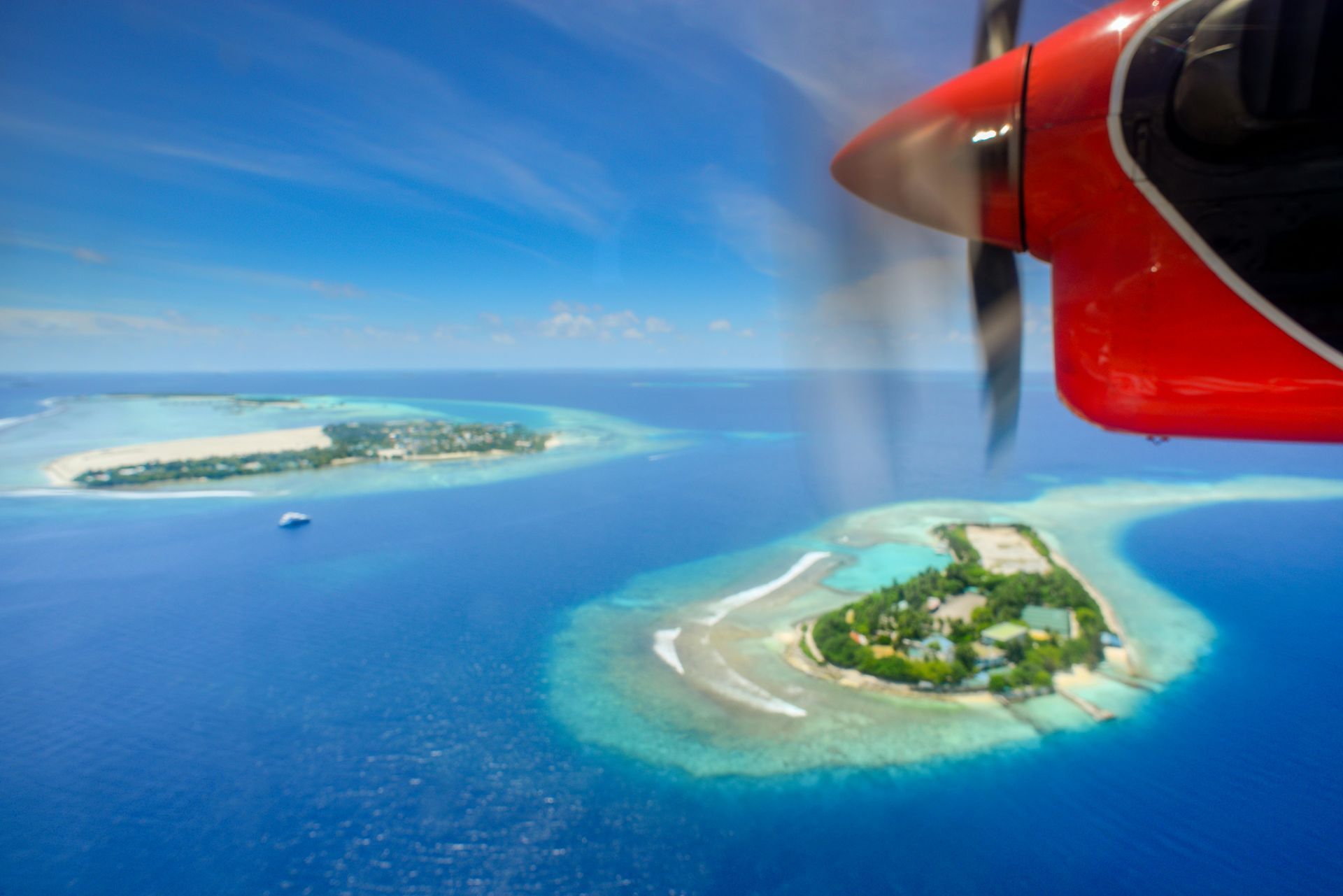
If you are choosing Maldives island options for the first time, it is easy to assume that one luxury island is much like another. In reality, choosing the right Maldives island can shape everything about your holiday - from how relaxed you feel on arrival to how much you spend on food and drinks, how good the snorkelling is, and whether the island actually suits your style of trip.
This is what many first-time Maldives travellers do not realise until it is too late: in the Maldives, your island is not just your hotel. It is your beach, your restaurants, your atmosphere, your house reef, your transfer experience, and often your entire world for the duration of your stay. Unlike other beach destinations, you cannot simply wander into a town, try a different restaurant down the road, or escape an island that does not feel quite right for you.
That is why this decision matters so much. A couple looking for barefoot romance may end up on an island that feels too busy. A family may pick a beautiful but tiny resort with limited dining and no real space for children. A snorkeller may choose a postcard-perfect lagoon and then feel disappointed by the weak marine life. Even a high-end resort can be the wrong fit if the island itself does not match the kind of holiday you want.
Many competing articles touch on this, but they often jump straight into resort recommendations without properly explaining how to choose a Maldives island in the first place. This guide takes a different approach. Instead of giving you another pretty list, it breaks the decision down into the factors that genuinely matter - holiday style, transfer type, island size, reef versus lagoon, board basis, villa type, and overall value - so you can narrow your shortlist with confidence.
We will also look at common mistakes first-time UK travellers make when booking the Maldives, why some islands work far better than others for honeymoons, families, snorkellers, and food lovers, and what can make one resort feel worth every penny while another feels like an expensive mismatch. By the end, you should feel clear not only on which Maldives island is right for you, but also on why that choice matters so much.
Why Choosing the Right Maldives Island Matters
In most destinations, the hotel is only one part of the holiday. In the Maldives, the island and the resort are effectively the same thing. That means your choice affects far more than just where you sleep.
It determines how long it takes you to reach paradise after your international flight. It determines whether you spend your days in a wide turquoise lagoon or snorkelling over coral straight from the shore. It determines whether you have one restaurant or several, whether the atmosphere feels intimate or lively, whether children are welcomed or merely tolerated, and whether your spend on food and drinks stays manageable or quickly spirals.
This is why choosing the right Maldives island is not a superficial decision based on whichever villa photo looks best on Instagram. It is a practical, experience-shaping decision. A resort can be objectively beautiful and still be wrong for you if its island is too small, too quiet, too remote, too food-limited, too family-oriented, or too focused on lagoon rather than reef.
For UK travellers especially, this matters because the Maldives is a long-haul, premium-priced holiday. People often save for years for it, use it for honeymoons or milestone celebrations, or travel during precious school holiday periods when every day and every pound matters. When you are making that level of investment, you do not just want a good resort - you want the right island for the holiday you actually want to have.
A well-chosen island can make the Maldives feel effortless, restorative, and exactly as you imagined. The wrong one can leave you feeling constrained, over-budget, or underwhelmed despite spending a significant amount of money. That is why understanding the differences between Maldives islands is so important before you book.
A Simple Step-by-Step Framework for Choosing Your Maldives Island
One of the biggest gaps across most Maldives guides is this: they tell you what is good, but not how to decide.
If you follow this order, you will narrow down the right Maldives island far faster and avoid expensive mistakes.
Step 1: Define Your Trip Type
Start with the purpose of your trip:
- Honeymoon or romantic escape
- Family holiday
- Snorkelling/diving trip
- Relaxation and wellness
- Food-led luxury experience
This immediately removes a huge number of unsuitable islands.
Step 2: Set a Realistic Budget (Including Food & Drinks)
Many travellers underestimate the Maldives.
Ask yourself:
- Can you comfortably afford all-inclusive?
- Or will you need to manage daily spend?
This decision alone can eliminate islands that would otherwise become frustratingly expensive.
Step 3: Choose Your Transfer Type
After a long-haul flight from the UK, this matters more than most expect.
- Under 7 nights → prioritise speedboat
- Want the full Maldives experience → consider seaplane
- Travelling further afield → domestic flight + boat
Step 4: Decide on Island Size
This defines your daily experience:
- Small island → quiet, intimate, limited choice
- Larger island → more restaurants, more facilities, more variety
Step 5: Pick Your Priority: Lagoon or Reef
You cannot maximise both equally.
- Lagoon = calm, swimmable, picture-perfect
- Reef = snorkelling, marine life, underwater experience
House reef vs lagoon Maldives comparison
Step 6: Select Your Board Basis
This shapes your entire stay experience:
- All-inclusive = relaxed, predictable
- Half board/full board = controlled but adds cost
- B&B = cheapest upfront, often most expensive overall
Step 7: Choose Your Villa Type
- Beach villa = space, practicality, often better value
- Overwater villa = iconic, but not always necessary
👉 Follow these steps in order, and choosing Maldives island options becomes simple instead of overwhelming.
Resort Island vs Local Island: What’s the Difference?
Before you narrow down specific islands, it helps to understand one of the most important Maldives basics: not every island stay is the same kind of holiday.
A resort island is what most UK travellers picture when they imagine the Maldives. One entire island is occupied by a single resort. Everything on it - the villas, restaurants, bars, spa, beaches, and activities - belongs to that resort. These islands are designed to feel private, polished, and self-contained. Alcohol is served, service is typically high-touch, and the whole experience is built around ease, comfort, and escapism.
A local island, by contrast, is an inhabited Maldivian island where guesthouses and smaller hotels operate alongside everyday community life. These stays can be much more affordable and can suit travellers who want a lower-budget or more locally grounded experience. However, they are a very different proposition. Alcohol is not generally available on local islands, beaches may be more limited in how they are used, and the holiday style is far less like the classic private-island Maldives experience.
For most honeymoons, luxury escapes, family holidays, and all-inclusive trips from the UK, a resort island is usually the better fit. It offers the complete experience most people are saving for when they book the Maldives. That does not make local islands “worse” - just different. They suit a different kind of traveller and a different budget expectation.
This distinction matters because people sometimes compare prices without realising they are comparing two completely different products. A local island guesthouse may look dramatically cheaper, but it is not a cheaper version of a private Maldives resort island. It is a different style of holiday altogether.
So, if you are choosing a Maldives island for a classic celebratory, romantic, or all-inclusive beach holiday, the real question is usually not “local or resort?” but rather which resort island best fits the way you want to spend your time.
Start With Your Holiday Style
This is where most sites get it right: your travel style should lead the decision.
Ask yourself:
- Romantic escape or social atmosphere?
- Snorkelling and diving priority?
- Family-friendly or adults-only?
- Food-focused or simple dining?
- Relaxation or activity?
Quick guide:
- Honeymoon / couples → smaller, quieter islands
- Families → larger islands with facilities
- Snorkellers/divers → strong house reef
- Food lovers → multiple restaurants
- Wellness travellers → spa-led resorts
Transfer Type Matters More Than Most People Expect
One of the most underestimated parts of choosing a Maldives island is the transfer. It is easy to focus entirely on the resort itself and forget that, after a long flight from the UK, you still need to reach your island. That final leg can be smooth and exciting - or tiring and frustrating - depending on what you book.
There are three main transfer types in the Maldives: speedboat, seaplane, and domestic flight plus boat.
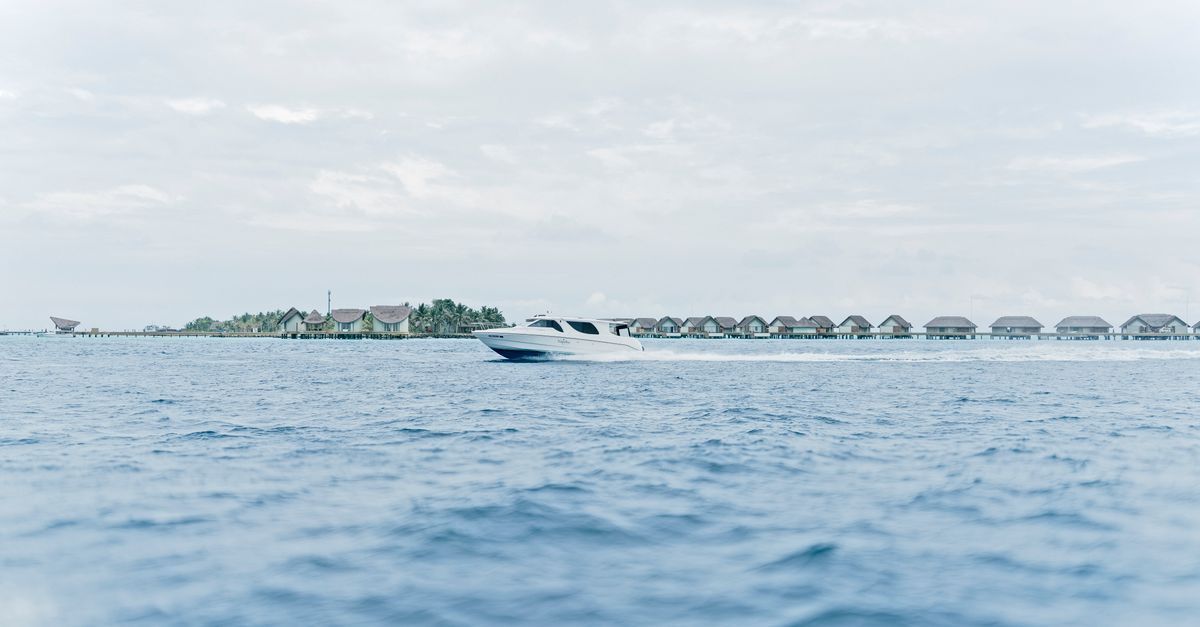
A speedboat transfer is usually the simplest option. Resorts closer to Malé can often be reached in around 15 to 60 minutes by boat, which makes the overall journey easier, especially after an overnight flight. This can be a major advantage for families with younger children, older travellers, or anyone staying for a shorter duration who does not want to lose too much time in transit.
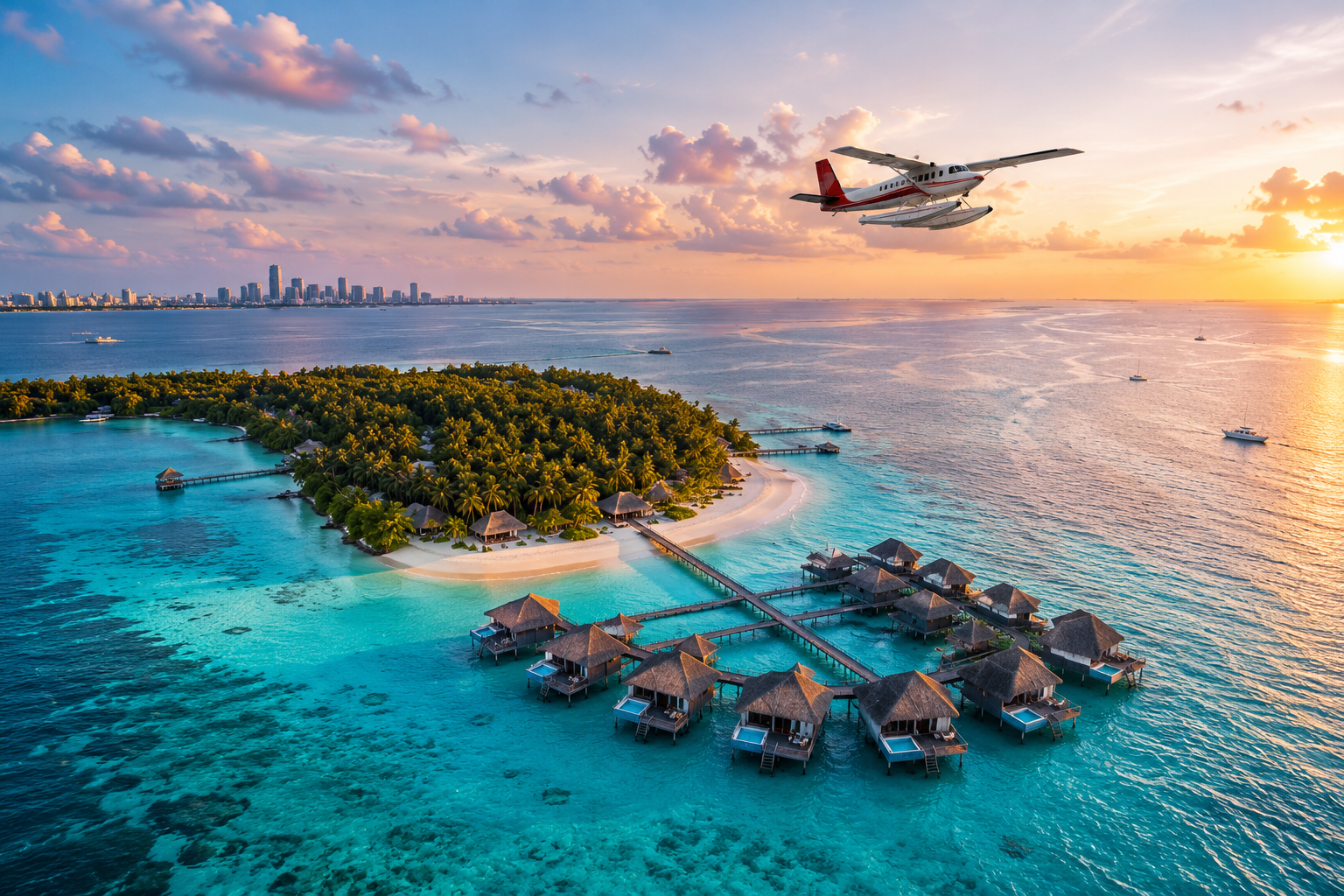
A seaplane transfer is the iconic Maldives arrival many people dream about. The aerial views are stunning, and there is no denying the excitement of landing on the water near your resort. But seaplanes come with limitations. They normally operate only during daylight hours, and depending on flight arrival times, waiting periods, and weather conditions, the transfer day can become longer than people expect. For many travellers, the experience is worth it. For others, especially those travelling with children or arriving tired, a shorter transfer may actually be the better choice.
A domestic flight plus speedboat transfer is often used for resorts in further-flung atolls. These journeys can open up excellent island choices and sometimes better value, but they also add another stage to the trip. That does not automatically make them a bad option - far from it - but it does mean you need to think realistically about your energy, your holiday length, and your tolerance for travel days.
This matters particularly for UK travellers. After a long-haul flight, what sounds fine on paper can feel very different in reality. A couple on a ten-night honeymoon may happily embrace a scenic seaplane or domestic transfer. A family staying five nights over half term may find that a close-to-Malé speedboat island gives them a much more relaxing trip overall.
One of the most common mistakes first-time travellers make is treating transfer type as a minor detail. In truth, it should be one of your early filters. A spectacular resort that takes too long to reach may be less suitable for your trip than a slightly less dramatic one that gets you into holiday mode much faster.
What UK Travellers Often Get Wrong (And Why It Matters)
Most Maldives guides are written for a global audience. But if you are travelling from the UK, there are a few realities that can completely change your experience.
Long-Haul + Transfer Fatigue Is Real
A typical journey includes:
- 10-hour overnight flight
- Airport waiting time
- Additional seaplane or domestic transfer
That means your total travel time can easily exceed 16–20 hours door-to-island.
This is why:
- Short trips (5–7 nights) benefit from speedboat-accessible islands
- Longer trips can justify seaplane resorts further away
Flight Timings Affect Your Resort Choice
Seaplanes only operate in daylight hours.
If your international flight arrives late:
- You may need an overnight stay in Malé
- Or choose a speedboat-accessible island instead
School Holidays Change Everything
If you are travelling during UK school holidays:
- Family-friendly resorts book early
- Prices increase significantly
- Larger islands with facilities become more important
Why Booking Structure Matters
The Maldives is not a destination where you want to “piece things together” without protection.
Working with a specialist ensures:
- Transfers align with flights
- Resort suitability is matched properly
- Financial protection is in place
This becomes especially important in a destination where a wrong choice is difficult to fix once you arrive.
Island Size and Atmosphere
Island size shapes the feel of your Maldives holiday far more than many people expect. Two resorts may both look beautiful online, but if one sits on a tiny castaway-style island and the other on a much larger island with more facilities, they can deliver completely different experiences.
A smaller island often feels more intimate, romantic, and exclusive. You may be able to walk around it in ten or fifteen minutes. These islands can be wonderful for couples who want privacy, simplicity, and a true away-from-it-all atmosphere. They often feel peaceful and photogenic, and many are ideal for honeymoons. However, that same intimacy can also mean fewer restaurants, less variety, and a sense that you have “seen it all” quite quickly if you are staying longer or like more choice.
A larger island usually gives you more space and more variety. There may be several restaurants, wider activity programmes, larger beaches, family zones, watersports, and more accommodation categories. This can be a big advantage for families, mixed-age groups, or travellers who enjoy having options. A larger island can also make a longer stay feel more varied. The trade-off is that it may feel less intimate or less castaway-like than a smaller resort.
Neither is automatically better. It comes down to what kind of holiday you want. Some couples imagine the Maldives as total seclusion and adore a small, boutique island. Others realise after a few days that they would rather have more dining choice, more walking space, or more to do between spa visits and sunset drinks.
Families should be especially careful here. A larger island is not always better for families, but it often gives more practical advantages - better villa options, more flexible dining, kids’ facilities, and more breathing room. At the same time, some smaller islands can work beautifully for families if they are well set up and easy to navigate.
This is one of those decisions that can quietly make or break the trip. When people say, “The Maldives was gorgeous, but we got a bit bored,” island size is often part of the reason. When they say, “It felt exactly like our own private paradise,” that often comes back to island size too.
Beach, Lagoon or House Reef: What Should You Prioritise?
This is one of the most important parts of how to choose a Maldives island - and one of the least well explained by many competing articles. Not every Maldives island gives you the same relationship with the sea. Some are all about dazzling shallow lagoons and postcard-perfect beauty. Others are prized for their house reefs and rich snorkelling. A few manage a strong balance of both, but usually one strength leads.
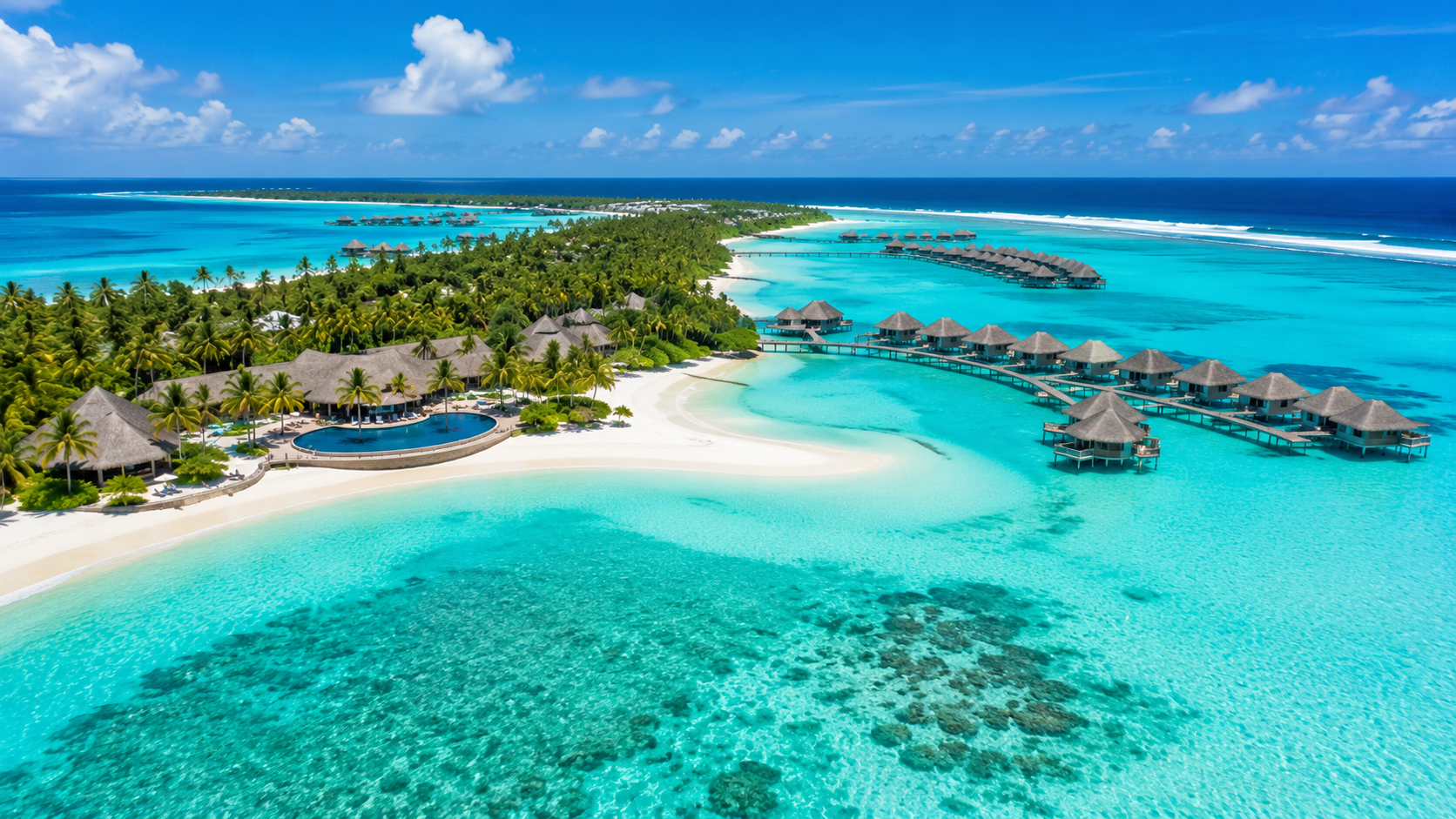
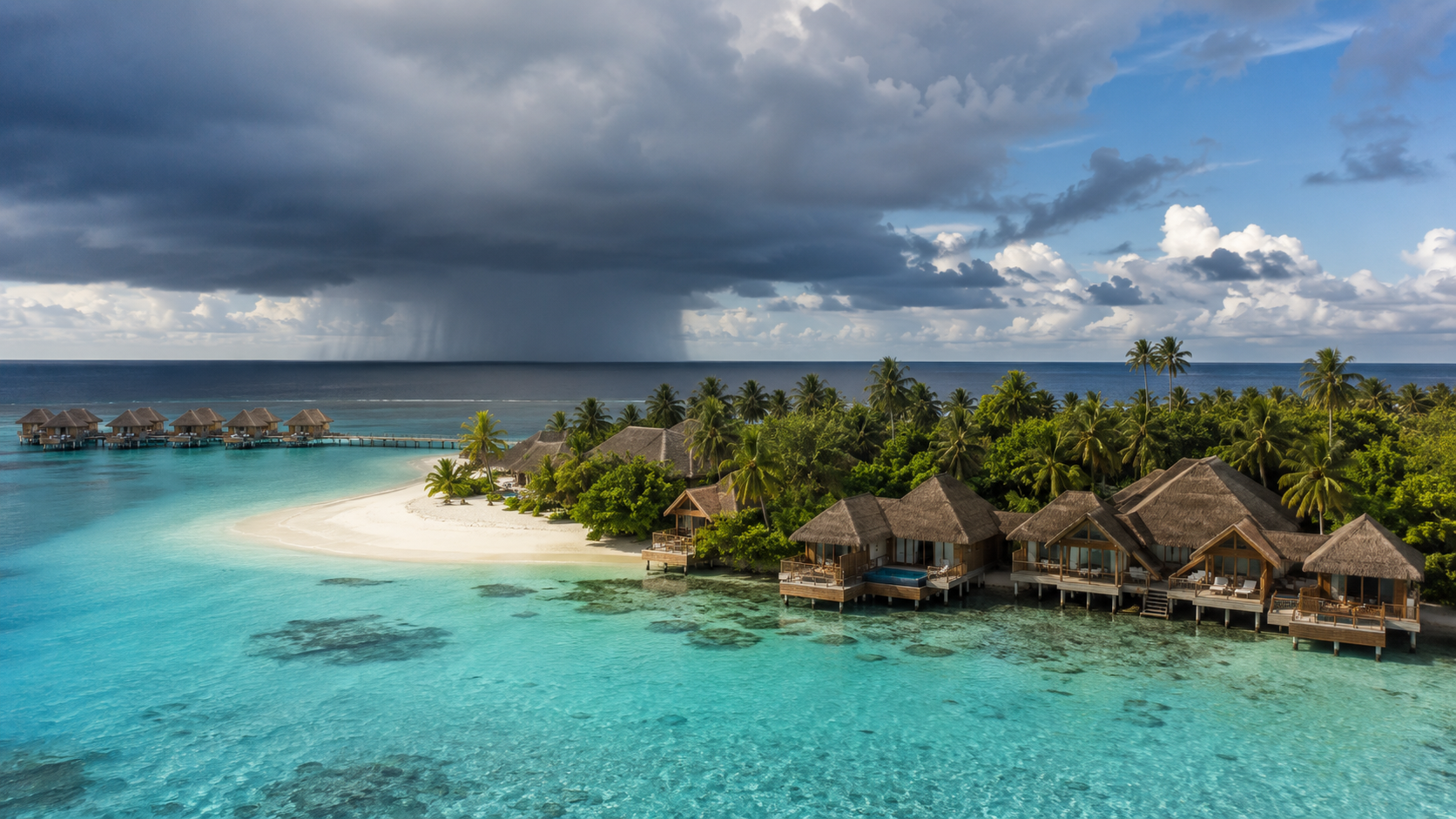
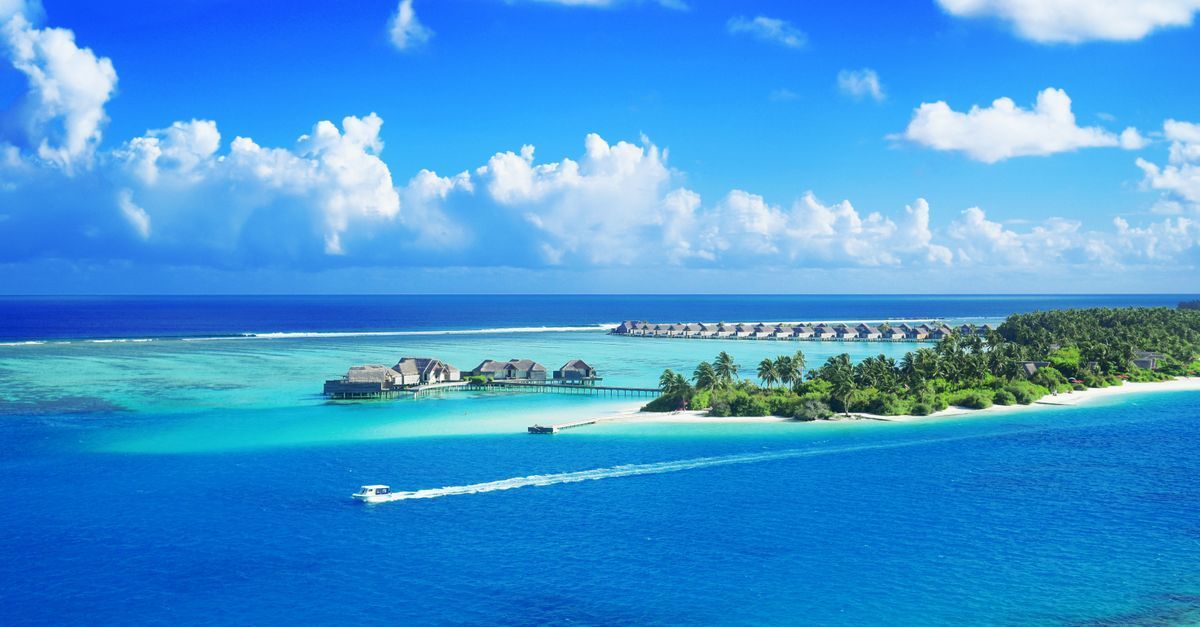
A lagoon-focused island is what many people imagine when they picture the Maldives. Think glowing turquoise shallows, calm water, wide sandy views, and that dreamy castaway look. These islands are fantastic for swimming, paddling, relaxing in beautiful scenery, and taking those classic Maldives photos. They often suit honeymooners, couples, and families with younger children who want easy, gentle water access.
A house reef island is a better fit for travellers who care deeply about marine life. A house reef means you can snorkel straight from the island and see coral, reef fish, and sometimes larger marine life without always relying on boat excursions. For keen snorkellers and divers, this can transform the trip. It gives the island a sense of daily adventure and can make the holiday feel much more immersive.
The catch is that the most spectacular lagoons and the strongest reefs do not always come together in equal measure. Some islands with magnificent wide lagoons have weaker snorkelling directly from shore. Some reef-rich islands may be less “perfect postcard” in their shallow-beach appearance, even though they offer far more underwater reward.
That is why this decision matters so much. If you book a resort because the lagoon looks unreal in photos, but you are actually someone who wants to snorkel every day, you may end up paying for beauty while missing the experience you really wanted. Equally, if you choose a reef-led island but your dream was long lazy swims in calm, powder-blue water, you might feel the island is less idyllic than expected.
A good rule of thumb is this: if your priority is visual wow-factor and gentle bathing, lean lagoon. If your priority is marine life and active water time, lean reef. If both matter, ask specifically how strong the balance is rather than assuming every Maldives island offers the same combination.
This is also where specialist guidance becomes valuable. “Great snorkelling” can mean very different things from one resort to another, and so can “beautiful beach.” The more clearly you rank your priorities here, the easier it becomes to shortlist islands that genuinely match them.
Reef vs Lagoon: What Most People Don’t Realise
This is one of the most misunderstood parts of choosing Maldives island resorts.
Many travellers assume every island offers both a perfect lagoon and incredible snorkelling. In reality, most lean strongly toward one.
Lagoon Islands (The Classic Maldives Look)
- Wide, shallow, calm water
- Bright turquoise colour
- Ideal for swimming and relaxing
But:
- Marine life is usually limited
- Snorkelling may require excursions
Reef Islands (The Snorkeller’s Dream)
- Coral reef close to shore
- Easy access to marine life
- Better for confident swimmers
But:
- Lagoon may be narrower or deeper
- Not always the “postcard” look
Why This Trade-Off Matters
This is often the single biggest factor in overall satisfaction.
Travellers who prioritise lagoon:
- Care about aesthetics and relaxation
Travellers who prioritise reef:
- Care about experience and wildlife
Very few islands truly excel at both, so understanding your priority avoids disappointment.
Board Basis and the True Cost of Your Holiday
Board basis is one of the biggest practical factors in choosing the right Maldives island, yet it is still underplayed in many competitor articles. In a destination where you cannot simply walk outside the resort for cheaper meals or drinks, your meal plan can have a huge effect on both the holiday experience and the final bill.
At first glance, a bed and breakfast or half board island may look attractively priced. But that headline price can be misleading if you do not consider what you will realistically spend once you are there. Meals, drinks, snacks, premium dining, and even simple extras can mount up quickly in the Maldives, particularly on smaller islands where all spending stays firmly within the resort.
Bed and breakfast tends to suit travellers who eat lightly, do not drink much, and are comfortable paying as they go. For many UK holidaymakers, though, it can feel poor value once the full cost of lunches, dinners, and drinks is added in. It may work better on short stays or at very high-end resorts where dining is part of the appeal and budget is less of a concern.
Half board can be a useful middle ground, especially for couples who plan to spend much of the day relaxing and do not mind paying separately for lunch and drinks. However, it is important to look beyond the label. Half board in one resort may feel generous and practical, while in another it can still leave you with substantial daily extras.
Full board offers more predictability and can work well for families or travellers who want meals covered but are less bothered about alcohol. It can reduce bill shock, but again, drinks and certain premium dining experiences are often extra.
All-inclusive is often where the Maldives starts to make more financial and emotional sense for UK travellers. It can turn the trip into a genuinely relaxed holiday rather than one where you are mentally totalling every lunch, cocktail, or bottle of water. Not all all-inclusive packages are equal, though. Some include premium drinks, excursions, and multiple restaurants, while others are more basic. The detail matters.
This is why board basis should not be an afterthought. It should be part of island choice itself. Some islands are excellent value because their all-inclusive offering is strong and well matched to the way most travellers holiday. Others may appear cheaper at first but become much more expensive once you factor in the real daily spend.
One of the most common first-time mistakes is choosing a resort because the room price looks competitive, without comparing how the meal plan works in practice. In the Maldives, the cheapest-looking island is not always the best value island. Sometimes the smarter choice is the one with the better board basis, even if the initial quote looks higher.
What a Maldives Holiday Actually Costs Once You’re There
This is where many first-time travellers get caught out.
While the resort price may look manageable, daily costs can quickly add up:
- Lunch: £25–£50 per person
- Dinner: £40–£100+ per person
- Drinks: £8–£15 each
- Excursions: £50–£150+
Over a week, this can easily exceed £1,000–£1,500 per person.
Why All-Inclusive Is Often the Smarter Choice
For UK travellers, all-inclusive is not just about luxury - it is about cost control and peace of mind.
It allows you to:
- Relax without constantly thinking about spend
- Enjoy premium experiences without hesitation
- Avoid a large unexpected bill at the end
This is why many experienced Maldives travellers will prioritise board basis before even choosing the island.
Villa Type and Who it Suits
For many people, choosing a Maldives island is closely tied to choosing the villa style they have always imagined. The classic debate is usually beach villa versus overwater villa, but the decision should be about more than just aesthetics. It should be about how you want to live on the island each day.
A beach villa gives you direct sand access, easier practicality, and often more usable outdoor space. For families, this can be a major advantage. Being able to step straight onto the beach, avoid stairs and boardwalks, and keep younger children on land can make the holiday feel easier and more relaxed. Beach villas can also feel more private in a different way, especially when tucked into greenery with their own stretch of shore.
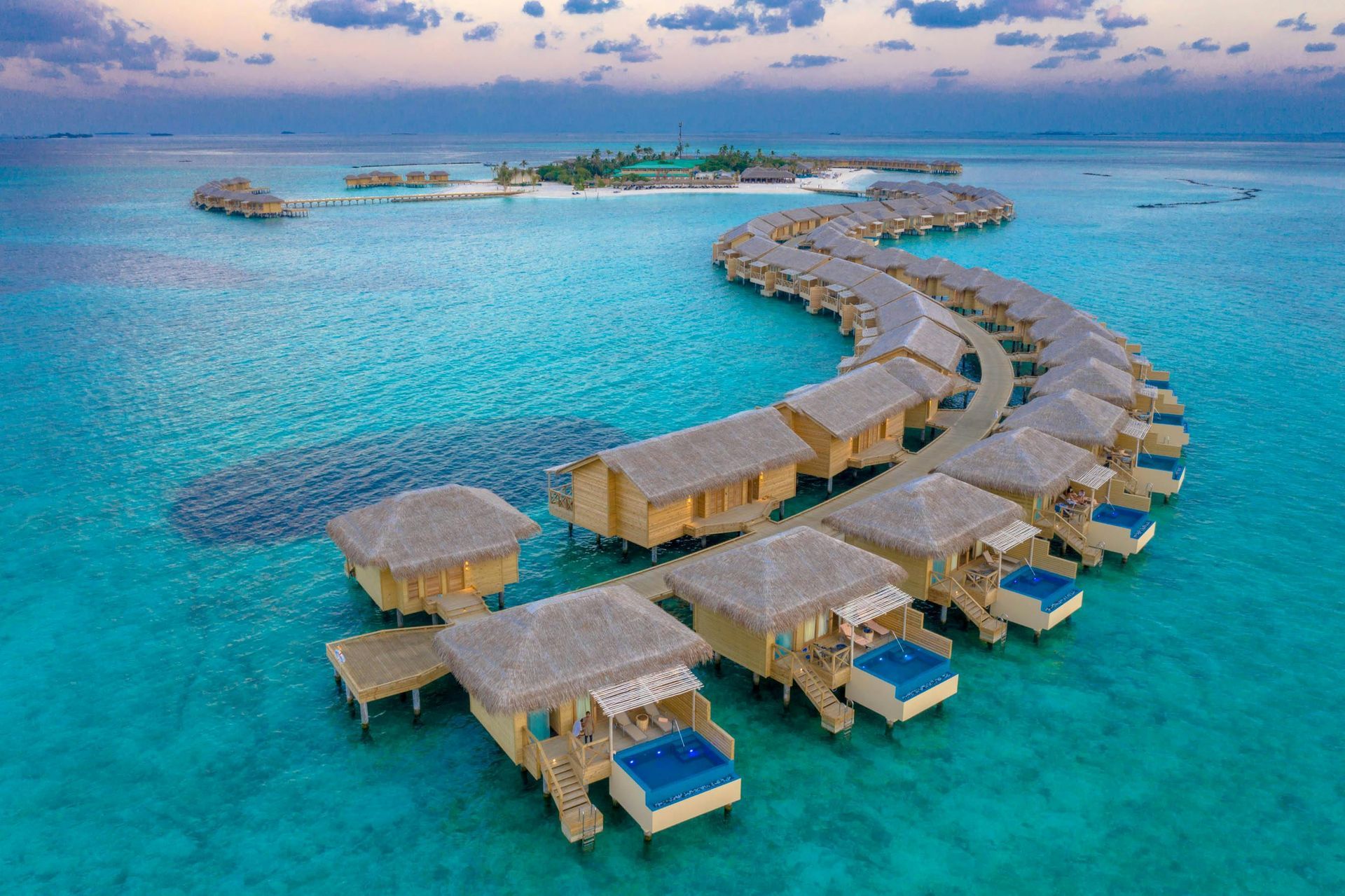
An overwater villa is the Maldives dream for many travellers. Waking up above the lagoon, stepping down into the sea, and watching the light change over the water is an unforgettable experience. For couples and honeymooners, it can feel especially special. But overwater villas are not always the right choice for every type of traveller or every stage of the trip. Some are less practical for families, and some resorts apply age restrictions for safety reasons.
There is also the question of what matters more to you day to day. Do you picture yourself spending hours on a deck over the water, slipping straight into the lagoon? Or do you prefer walking barefoot from your room to a broad sandy beach without stairs, ladders, or wind exposure? Both can be wonderful, but they create a different rhythm to the holiday.
In some cases, a split stay can work brilliantly - beginning with a beach villa for ease and ending in an overwater villa for the iconic final flourish. That can be especially appealing on honeymoons or longer trips.
The key point is that villa type and island type are linked. Not every overwater villa sits in the same kind of lagoon, and not every beach villa opens onto the same kind of shoreline. A stunning room alone does not guarantee the right island. The surrounding setting, atmosphere, and practicality matter just as much.
How to Choose Based on the Kind of Holiday You Want
Once you understand the building blocks of island choice, the next step is applying them to your type of trip. This is where many top-ranking competitors focus heavily on traveller persona - and they are right to do so. The Maldives is not one-size-fits-all. The right island for a honeymoon can be completely wrong for a family, just as a reef-rich snorkelling island may not suit someone whose main priority is dining variety and spa time.
For honeymooners and couples
Couples often do best on islands with a strong sense of romance and seclusion. That usually means a more intimate atmosphere, beautiful beaches or lagoon views, and a villa style that feels special rather than merely practical. Smaller islands can work beautifully here, particularly if service, dining, and setting are strong. Many couples also value a short or scenic transfer, adults-focused areas, and the ability to combine relaxation with a few memorable experiences such as sunset cruises, spa treatments, or private dining.
For families
Families generally need a different set of priorities. Transfer ease often matters much more after a long-haul flight. Larger islands can be useful because they tend to offer more dining options, better villa configurations, kids’ clubs, family-friendly activities, and more flexibility overall. It is also important to look beyond the phrase “family-friendly” and check what that really means in practice. Some islands welcome children but are still much better suited to couples, while others are genuinely designed to make family holidays easy and enjoyable.
For snorkellers and divers
If marine life is a major part of the dream, house reef quality should be near the top of the decision list. A reef-rich island can completely transform the value of the trip because it gives you something extraordinary on your doorstep every day. Divers may also want to consider access to top dive sites, manta or shark-rich areas, and how the resort supports underwater experiences. This is one of the clearest examples of why the “prettiest” island is not always the best island for you.
For food lovers
Dining can have a surprisingly strong impact on whether a Maldives island feels luxurious or limiting. If food matters to you, look carefully at restaurant count, dining variety, premium options, and how the board basis works across different venues. Smaller islands with one or two restaurants can feel repetitive on longer stays, while larger islands often give much more scope for choice and atmosphere. A good all-inclusive island can also offer much better value for food-focused travellers than a cheaper room-only option.
For spa and wellness travellers
If your Maldives dream is about slowing down, switching off, and genuinely resetting, atmosphere matters enormously. A quieter island with a strong spa, beautiful natural setting, and a calmer rhythm may suit you far better than a busier resort with more activities but less serenity. Wellness travellers often benefit from prioritising island feel over sheer resort scale.
The key is not to choose based on a generic “best Maldives resort” list. It is to choose the island that fits the version of the Maldives you actually want to experience.
3 Maldives Resorts That Show Why Choosing the Right Island Matters
OBLU Select at Sangeli - Best for Easy All-Inclusive & Balance
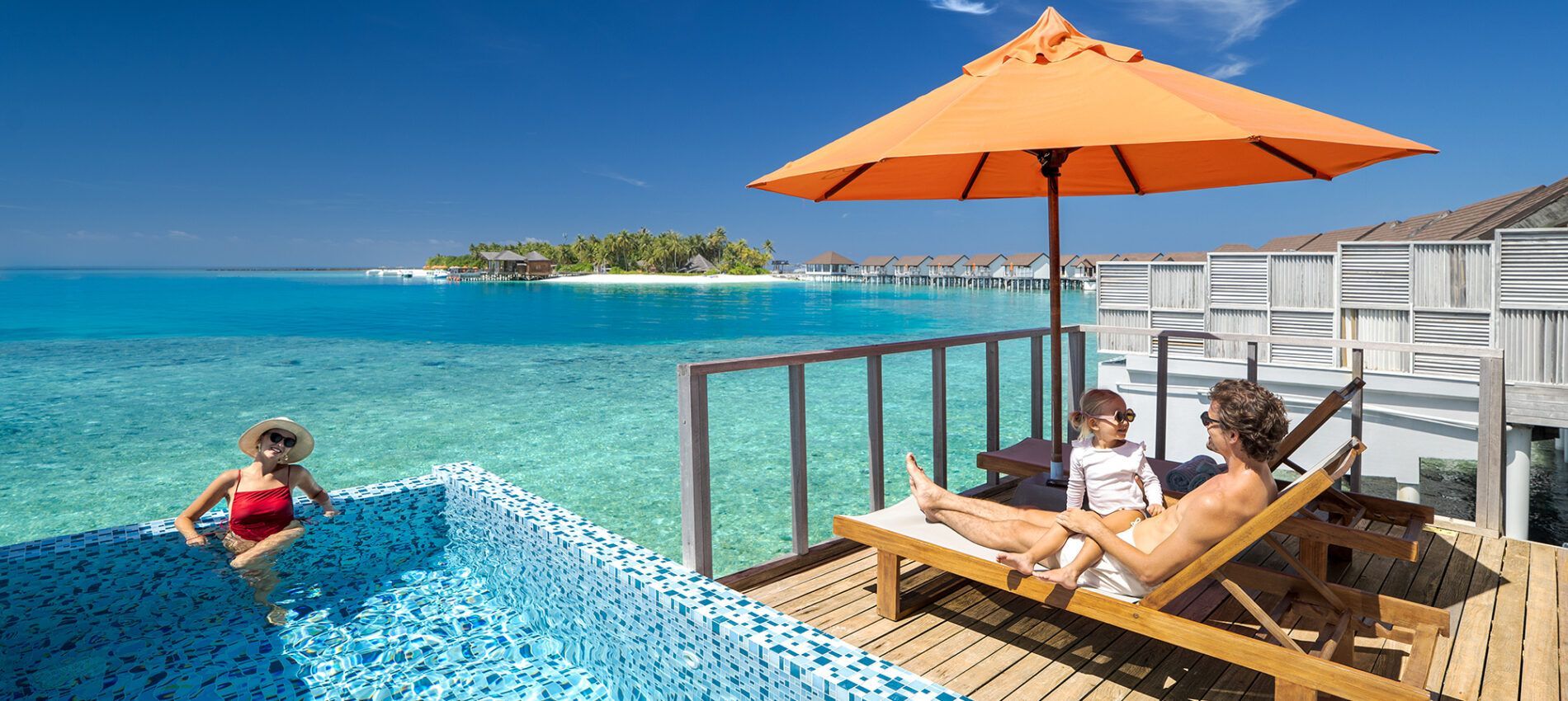
This is a fantastic example of a well-balanced Maldives island.
- Speedboat transfer (easy arrival)
- Strong all-inclusive offering
- Mix of lagoon and snorkelling
- Adults-only island section available
Who it suits:
Couples and families who want value, simplicity, and a mix of experiences without overcomplicating things.
Baros Maldives - Best for Romance & Snorkelling
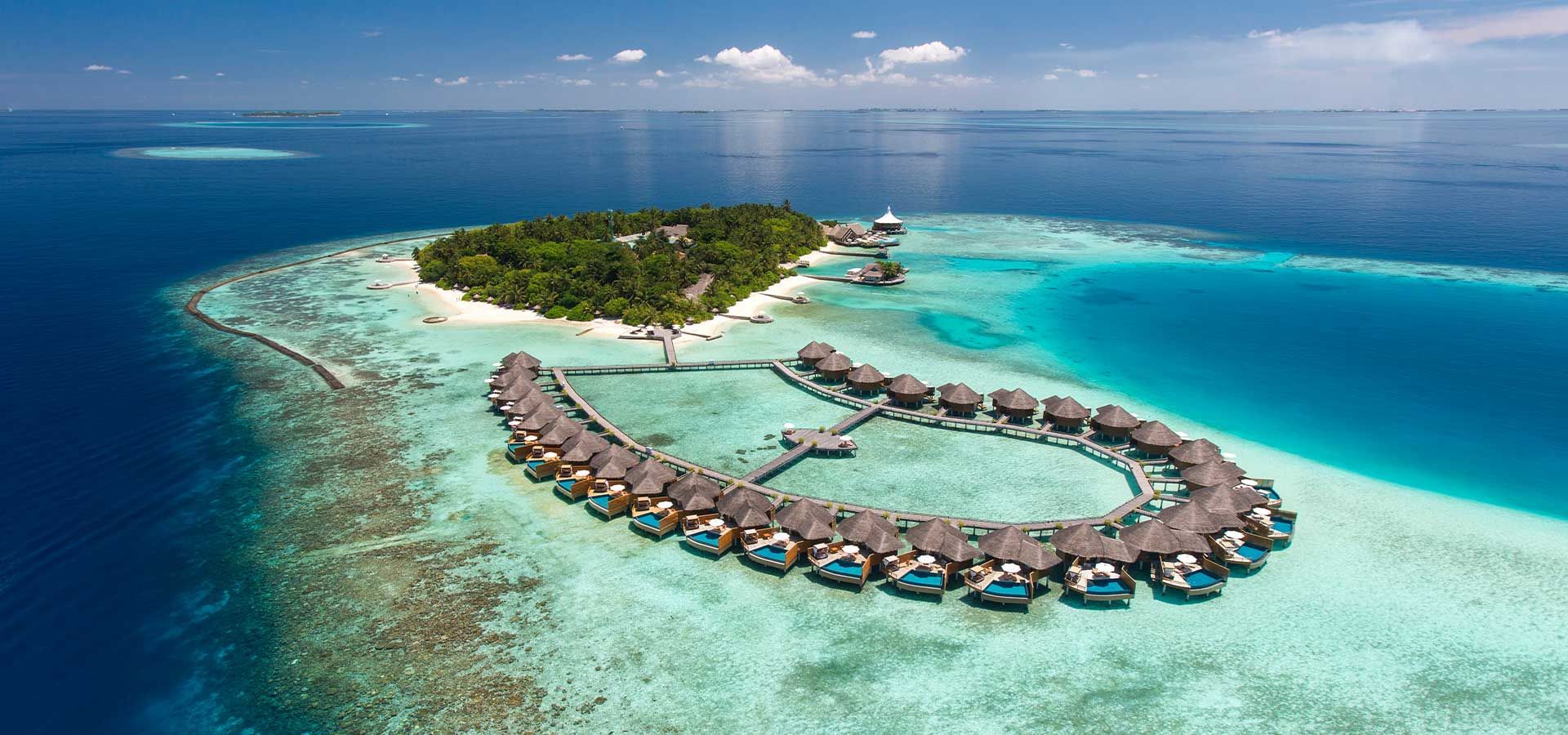
A classic Maldives resort that shows what a smaller, reef-rich island offers.
- Incredible house reef
- Intimate, boutique feel
- High-end dining
- Short speedboat transfer
Who it suits:
Honeymooners and couples who prioritise atmosphere, snorkelling, and service.
Kuramathi Maldives - Best for Choice & Families

This shows what a larger island resort can offer.
- Multiple restaurants and bars
- Variety of villa types
- Great for families and longer stays
- Iconic sandbank
Who it suits:
Families or travellers who want variety, space, and things to do.
Common Mistakes First-Time Maldives Travellers Make When Choosing an Island
One of the biggest advantages of specialist guidance is avoiding the mistakes that are easy to make when everything looks beautiful online. Here are some of the most common ways first-time travellers end up with the wrong Maldives island.
Choosing almost entirely by photos
This is probably the most common mistake of all. Beautiful images matter, of course, but they do not tell you whether the island is too small, the dining too limited, the house reef too weak, or the transfer too tiring for your kind of trip. An island can photograph brilliantly and still be the wrong fit.
Underestimating transfer time
People often think of the Maldives transfer as a quick final flourish. In reality, it can be a significant part of the journey. A long wait for a seaplane or a domestic connection after a UK flight may be completely fine for some travellers and deeply tiring for others.
Looking at room price instead of total holiday cost
In the Maldives, value is about more than the headline villa rate. Meal plans, drinks, transfers, activities, and dining style all affect the real cost. A cheaper island on paper can turn into a more expensive holiday overall.
Assuming all islands offer the same sea experience
Not every island gives you the same lagoon, beach, or reef access. Some are much better for snorkelling, some much better for calm bathing, and some offer a compromise between the two. Choosing without understanding this is a common cause of disappointment.
Prioritising overwater villas above everything else
Overwater villas are iconic, but they should not automatically override all other practical considerations. For some travellers, a better island with a great beach villa is the smarter choice than a weaker-fit island chosen only because it offers overwater accommodation.
Choosing a tiny island for a longer stay without considering variety
Small islands can be magical, but they are not right for everyone. If you are staying for ten nights or more and enjoy varied dining, activities, and a sense of space, a slightly larger island may suit you better.
Not matching the island to the real purpose of the trip
A honeymoon, a family holiday, and a snorkelling-led trip all call for different priorities. Problems often happen when travellers book what sounds “luxurious” rather than what genuinely fits the trip they are taking.
These are not small details. In the Maldives, they are often the difference between a holiday that feels extraordinary and one that feels slightly off despite all the beauty around you.
Quick Comparison: Which Type of Maldives Island Suits You?
| Priority | Best Choice | Why |
|---|---|---|
| Easy access | Speedboat island | Minimal travel after long-haul flight |
| Scenic arrival | Seaplane island | Iconic Maldives experience |
| Snorkelling | Reef island | Direct access to marine life |
| Swimming & relaxation | Lagoon island | Calm, shallow waters |
| Romance | Small island | Quiet, intimate atmosphere |
| Families | Larger island | More facilities and dining |
| Value | All-inclusive resort | Controls overall cost |
| Luxury experience | Boutique island | Higher service levels and privacy |
A Simple Step-by-Step Checklist for Narrowing Your Options
If you are feeling overwhelmed by the number of Maldives islands available, the easiest way to simplify the choice is to filter in the right order.
1. Start with the purpose of the trip
Is this a honeymoon, a family holiday, a snorkelling escape, a milestone birthday, or pure fly-and-flop relaxation? Your reason for travelling should shape every decision after that.
2. Be realistic about transfer tolerance
After a long flight from the UK, are you happy with a scenic but potentially longer onward journey, or would you rather be at your resort quickly by speedboat? This alone can cut down your shortlist dramatically.
3. Decide what matters most in the water
Would you rather have a spectacular shallow lagoon for swimming and views, or a stronger house reef for snorkelling and marine life? If you try to choose without answering this, you may end up prioritising the wrong island strengths.
4. Think about island size and pace
Do you want tiny and intimate, or do you want more space, more dining, and more choice? There is no right answer, but there is usually a better answer for your travel style.
5. Choose your ideal board basis early
Do you want the reassurance of all-inclusive, or are you comfortable managing meals and drinks separately? Budget-conscious travellers often benefit from deciding this before they fall in love with a resort that looks affordable only on a room-rate basis.
6. Decide which villa style actually suits you
Beach villa, overwater villa, or a split stay? Think about practicality as well as fantasy.
7. Only then compare specific resorts
Once you have worked through the steps above, comparing islands becomes far easier because you are judging them against your actual priorities rather than against generic beauty.
This is the approach many travellers skip - and that is exactly why so many feel confused when they start researching the Maldives. The islands are easier to compare once you stop asking “Which one is best?” and start asking “Which one is best for us?”
Frequently Asked Questions: Choosing the Right Maldives Island
Why does choosing the right Maldives island matter?
Because each island is a self-contained resort. Your choice determines your entire experience, from dining to activities and atmosphere.
Are all Maldives islands the same?
No. They differ in size, reef quality, transfer type, facilities, and overall vibe.
How do I choose between a speedboat and seaplane resort?
Speedboats are easier and quicker. Seaplanes are more scenic but can add complexity and time.
Is a small Maldives island better for a honeymoon?
Often yes, as they feel more private and romantic, but it depends on your preferences.
Which Maldives islands are best for families?
Larger islands with kids’ clubs, varied dining, and easier transfers tend to work best.
What is a house reef?
A coral reef accessible directly from the island, ideal for snorkelling without needing excursions.
Should I choose all-inclusive in the Maldives?
For most UK travellers, yes. It offers better value and avoids unexpected costs.
Is it better to stay on a resort island or local island?
Resort islands offer a more seamless, luxury experience. Local islands are more budget-friendly.
How many nights do you need in the Maldives?
7–10 nights is ideal, especially if you have a longer transfer.
What should first-time travellers prioritise?
Describe the item or answer the question so that site visitors who are interested get more information. You can emphasize this text with bullets, italics or bold, and add links.
Our Final Thoughts: Choosing the Right Maldives Island
Choosing Maldives island options is not about picking the “best” resort - it is about choosing the right island for you.
The Maldives rewards travellers who understand:
- What kind of experience they want
- What really matters (reef, food, size, transfer)
- How to balance luxury with practicality
Get those right, and your Maldives holiday becomes everything it should be - effortless, unforgettable, and completely tailored to you.
Send an Enquiry
We will get back to you as soon as possible.
Please try again later.
Recent Posts