Is the Maldives Safe for UK Travellers?
Is the Maldives Safe for UK Travellers?
If you are wondering “is the Maldives safe” , the reassuring answer is yes for most UK travellers, especially those staying on established private island resorts. But like any long-haul destination, the Maldives is not risk-free, and the best holidays are planned with a clear understanding of local laws, water safety, insurance, transfers, medical access and current UK travel advice.
For many people, the Maldives feels like one of the easiest luxury destinations in the world: one island, one resort, soft white sand, warm lagoons and very little need to move around once you arrive. That controlled island-resort environment is one of the reasons the Maldives is often viewed as a safe, relaxing choice for honeymoons, family holidays and special occasion escapes.
However, it is still important to separate the postcard version of the Maldives from the practical realities of travelling there. Private resort islands, local inhabited islands and the capital Malé can feel very different. Swimming conditions vary by island. Local laws are stricter than many UK travellers expect. Medical care may be limited on remote islands. Flights can sometimes be affected by weather, operational changes or wider airspace disruption.
This guide explains what UK travellers need to know before booking, including how resort islands differ from local islands, what the latest official travel advice means in real terms, how to approach swimming and snorkelling safely, and which types of resorts can feel more reassuring for different travellers.
Is the Maldives Safe Right Now?
For UK travellers, the first place to check before any overseas trip is the Foreign, Commonwealth & Development Office, usually referred to as the FCDO. The latest FCDO Maldives travel advice should always be checked before you book and again before you depart, because official guidance can change quickly.
At the time this guide was prepared, the FCDO did not advise against travel to the Maldives as a whole. However, it does publish important information about safety, security, entry requirements, health, insurance and getting help abroad. It also highlights that wider disruption in the Middle East can affect some flight routes and connections to and from the Maldives, even when the Maldives itself is not the source of the disruption.
That distinction matters. A destination can be open and generally safe for holidays while still having risks that travellers need to understand. In the Maldives, the main concerns for most UK holidaymakers are not usually serious crime on private resort islands. They are more likely to be water safety, local laws, travel disruption, insurance exclusions, medical access and choosing the right island for the way you want to travel.
If you are planning Maldives holidays from the UK, the safest approach is to check your route, understand your resort transfer, buy the right insurance and make sure the resort fits your traveller type. A honeymoon couple choosing an overwater villa, a family with young children, a solo traveller and an experienced diver may all need slightly different safety advice.
What UK Travellers Should Take From Current Maldives Travel Advice
The most useful way to read Maldives travel advice is not as a reason to panic, but as a planning tool. For most British travellers staying on private island resorts, the main question is not simply “is the Maldives safe?” but “which parts of the trip need extra care?”
Current UK guidance is especially relevant in five areas: flight disruption, travel insurance, local laws, water safety and security outside resort islands. The FCDO also advises travellers to check advice for any countries they are transiting through, which matters for Maldives holidays connecting via the Middle East.
For a typical UK resort holiday, this means checking three things before you book: whether your flight route is sensible, whether your insurance covers the activities you plan to do, and whether the resort is suitable for your confidence, health, swimming ability and travel style.
This is where expert Maldives planning makes a real difference. The right holiday is not only about finding a beautiful island. It is about making sure the island, transfer, board basis, villa type and support arrangements all work together.
Resort Islands vs Local Islands: The Biggest Safety Difference
The most important thing to understand is that “the Maldives” is not one single travel experience. Most UK travellers imagine a private island resort, where the entire island is dedicated to guests. But there are also local inhabited islands, guesthouses, public ferries, domestic transfers and the capital city, Malé.
Private resort islands are usually the simplest option for UK holidaymakers. Transfers are pre-arranged, alcohol is available within the resort, dress codes are relaxed by local standards, dining is contained on the island and staff are used to looking after international guests. This does not mean you can ignore safety, but it does mean many of the cultural and logistical issues are managed for you.
Local island stays can be wonderful for travellers who want a more authentic, lower-cost or community-based experience. But they require more awareness. The Maldives is an Islamic country, so alcohol is not available on local islands, modest dress is expected away from designated tourist beaches, and behaviour that feels normal in a European beach resort may not be appropriate in a local community.
| Safety Topic | Private Resort Island | Local Inhabited Island |
|---|---|---|
| Alcohol | Usually available within the resort | Generally not available and cannot be consumed publicly |
| Dress code | Relaxed but nudity and topless sunbathing are not acceptable | Modest dress expected away from designated bikini beaches |
| Beachwear | Swimwear is normal on resort beaches | Swimwear usually only appropriate on marked tourist beaches |
| Transfers | Arranged by resort or tour operator | May involve public ferries scheduled speedboats or more planning |
| Medical help | Varies but many resorts have basic clinic support or access arrangements | Facilities vary widely by island |
| Cultural expectations | International resort environment | Local community setting with local customs |
| Best for | Honeymoons luxury families first-timers and ease | Independent travellers budget stays and cultural interest |
- Resort islands usually feel easier for first-time visitors, honeymooners, families and travellers who want a seamless holiday with arranged transfers.
- Local islands can still be safe, but travellers need to understand modest dress, alcohol rules, local customs, transport arrangements and variable facilities.
- Malé and Hulhumalé should be treated more like city environments, with more attention to valuables, transport and avoiding protests.
For most first-time UK travellers asking “is the Maldives safe?”, a private island resort is usually the easiest and most reassuring option. If you are considering a local island guesthouse, that can still be safe, but you need to go with a clearer understanding of customs, clothing, transfers, alcohol rules and facilities.
Crime in the Maldives
Crime levels are generally low on exclusive resort islands, although petty crime can still happen. The FCDO advises travellers not to leave belongings unattended on the beach or in unlocked hotel rooms. That is a useful reality check. The Maldives may feel remote and peaceful, but it is still sensible to use the safe in your villa, keep passports and valuables secure, avoid leaving phones or bags unattended on loungers, and be careful with jewellery, cameras and cash.
Outside the resort islands, the picture is more varied. Incidents of gang-related violence, including knife crime, are mainly linked to Malé and Hulhumalé rather than private resort islands. This does not mean UK travellers should panic about Malé, but it does mean the capital should not be treated in the same way as a resort island.
For a typical Maldives resort holiday, most clients will spend very little time in Malé. You usually arrive at Velana International Airport and move straight to a speedboat, domestic flight or seaplane transfer. If your itinerary involves an overnight stop in Malé or Hulhumalé, use reputable transport, keep belongings close, avoid demonstrations and follow local advice.
The simplest safety rule is this: relax on the resort, but keep your normal travel awareness when moving through the airport, city areas, ports and transfer points.
What Is the Maldives Crime Rate Like for Tourists?
The Maldives crime rate feels very different depending on where you are. On exclusive resort islands, crime levels are low, but petty crime can still happen. Outside resorts, incidents of gang-related violence are mainly reported in Malé and Hulhumalé.
For UK travellers, the key point is not to treat every part of the Maldives the same. A resort island, a local island guesthouse, the airport area and central Malé each carry different practical risks. On resorts, the most likely issue is unattended valuables. In city areas, travellers should be more alert, especially after dark.
This helps answer the search intent behind “is the Maldives safe” more clearly: yes, but safety depends on where you are, how you behave and what type of holiday you are taking.
Is Malé Safe?
Malé is the capital of the Maldives and it feels very different from the private island resorts. It is busy, compact, densely populated and more urban. For many UK travellers, it is simply the place they pass through on the way to paradise.
Malé can be visited safely with common-sense precautions, but it is not the best representation of the holiday experience most people associate with the Maldives. If you are staying on a private island resort, you may never need to explore Malé at all.
If you do visit or stay overnight, plan the logistics carefully. Use hotel-arranged transfers or reputable taxis, avoid walking through quiet areas after dark, keep valuables discreet and avoid any protests or political gatherings. The FCDO advises travellers to avoid protests and rallies in Malé for their own safety.
This is especially important for travellers arriving late at night, families with children, solo travellers or anyone with mobility needs. A short airport hotel stop can work well when transfer timings require it, but it should be booked with convenience and safety in mind rather than chosen randomly on price alone.
Terrorism, Political Protests and Security Awareness
Official UK travel advice states that terrorist attacks in the Maldives cannot be ruled out, and that attacks could be indiscriminate, including in places visited by foreign nationals. It also notes that political protests take place occasionally in Malé and advises travellers to avoid protests and rallies.
For most UK holidaymakers staying on private resort islands, this does not usually change the overall holiday experience. Resort islands are separate from the capital and are designed around international tourism. However, it does mean travellers should stay aware when moving through Malé, Hulhumalé, airports, ferry areas or public spaces.
The practical advice is simple: avoid demonstrations, follow local authority guidance, keep up to date with FCDO travel advice and use reputable transfers. This keeps the risk in perspective — honest, but not alarmist.
Local Laws and Cultural Differences
The Maldives is a Muslim country, and UK travellers should be aware that local laws and customs are more conservative than those in the UK or in many European beach destinations.
On private resort islands, the environment is designed around international tourism. Alcohol is usually available, swimwear is normal on the beach and the atmosphere is relaxed. However, nudity and topless sunbathing are not acceptable.
Outside resorts, expectations are different. Dress modestly on local islands, avoid public displays of affection, respect prayer times and be particularly mindful during Ramadan. Alcohol is not permitted on local inhabited islands, and you should not try to take alcohol from a resort to a local island or bring it into the country.
The FCDO warns that the Maldives has strict rules around what can be brought into the country, including alcohol, pork products and items deemed contrary to Islam. Travellers should also be careful with medication and should check whether any prescription medicines require documentation.
Drug laws are severe. Do not carry, buy or use illegal drugs in the Maldives. Penalties can be very serious, and “I did not know” is not a defence.
This does not need to make the Maldives feel intimidating. It simply means UK travellers should understand where they are. A resort island may feel international, but it still sits within a country with its own laws, culture and expectations.
Swimming, Snorkelling and Diving Safety
For many UK travellers, the ocean is the main reason to visit the Maldives. The lagoons, reefs, rays, turtles, reef sharks and colourful fish are extraordinary. But water safety is one of the most important parts of staying safe in the Maldives.
The sea can look calm and inviting, but currents can be strong. Conditions may change depending on the tide, weather, reef channels and island position. Even confident swimmers can get into difficulty if they underestimate the current or swim too far from shore.
The FCDO advises travellers to check local advice before swimming and notes serious risks around tidal currents, snorkelling, diving, boat traffic and marine excursions. It also states that more than eight British tourists have drowned in the Maldives since 2021.
This is one area where a luxury setting can create a false sense of security. A turquoise lagoon still needs respect. Before swimming or snorkelling, ask the resort where it is safe to enter the water. Check whether there are currents near the house reef. Avoid swimming alone, especially at dawn, dusk or after drinking alcohol. Wear a buoyancy aid if you are not a strong swimmer.
For snorkelling, fins can help in currents, but they do not replace judgement. Stay within marked areas, keep an eye on where you entered the water and avoid touching coral or marine life. Reef cuts can become infected, so reef shoes may be useful in some areas, although you should never walk on coral.
For diving, choose a reputable dive centre, check instructor qualifications, be honest about your experience level and make sure your insurance specifically covers scuba diving. Some policies exclude diving below certain depths or require you to dive with a qualified guide. If you are joining a diving safari or liveaboard, ask detailed questions about safety procedures, emergency oxygen, communication equipment and access to medical care.
The Maldives is one of the world’s most beautiful marine destinations, but it is not a swimming pool. The safest travellers are the ones who respect the ocean even when it looks perfect.
Water Excursions, Whale Shark Trips and Boat Safety
Many Maldives holidays include boat trips, snorkelling safaris, dolphin cruises, diving, whale shark excursions or manta ray trips. These experiences can be unforgettable, but travellers should check how they are operated. Ask whether life jackets are provided, whether guides enter the water with guests, how group sizes are managed, what happens if currents change and whether the operator follows local safety rules.
This matters particularly around whale shark tourism areas. The FCDO has warned that fatal accidents involving boat propellers have happened in the South Ari Marine Protected Area and nearby whale shark tourism sites, and that propeller guard regulations are not yet fully enforced.
Divers should also ask about emergency planning. The FCDO notes that many resort islands are more than an hour from the nearest hyperbaric chamber and recommends understanding how a dive operator would get you to one of the chambers in the islands.
A good Maldives resort will not just sell excursions; it will brief guests properly, use experienced guides and tell travellers when conditions are not suitable. If an excursion feels rushed, poorly explained or casual about safety, do not be afraid to step back.
Health, Medical Care and Travel Insurance
Medical access is one of the most overlooked safety issues in the Maldives. The country is made up of scattered islands, and the level of medical care varies depending on where you are staying.
Many resorts have a basic clinic, resident nurse or doctor access arrangement, but this does not mean advanced hospital care is immediately available. If you become seriously unwell or injured on a remote island, you may need to be transferred by speedboat, domestic flight, seaplane or medical evacuation. In bad weather or at night, transfers can be more complicated.
TravelHealthPro Maldives advice recommends arranging appropriate health advice before travel and ensuring you have adequate travel health insurance. For UK travellers, travel insurance should not be treated as an afterthought. You need a policy that covers medical treatment, repatriation, cancellation, travel disruption, missed connections and the activities you actually plan to do.
If you will be snorkelling, diving, paddleboarding, jet-skiing, parasailing or joining boat excursions, check the policy wording carefully. If you have a pre-existing medical condition, declare it properly. If you are pregnant, travelling with young children, taking regular medication or staying far from Malé, it is worth being even more cautious about resort choice and insurance cover.
Mosquito-borne illnesses such as dengue can also occur in the Maldives. Bite prevention is sensible, especially on local islands or during wetter periods. Pack repellent, consider loose long sleeves in the evening where practical and seek medical advice if you develop fever, severe headache, rash or joint pain during or after travel.
Weather, Flooding and Natural Hazards
The Maldives is a tropical island nation, so weather is part of safety planning too. Most UK travellers think about sunshine and rain when choosing when to travel, but heavy rain can occasionally create more practical disruption than expected.
The FCDO notes that flash flooding can affect low-lying islands during periods of heavy rain, and travellers should follow local authority advice. This does not mean the Maldives is unsafe during the wetter months, but it does mean travellers should understand the difference between a shower, a stormy day and wider disruption.
Weather can also affect seaplane transfers, boat transfers and excursions. Seaplanes usually operate during daylight hours, while speedboats and domestic transfers may be affected by sea conditions. If you are travelling with young children, elderly relatives, mobility concerns or a tight onward schedule, transfer type matters.
For a fuller planning view, it is worth reading our guide to the best time to visit the Maldives, because weather, sea conditions, visibility, prices and resort atmosphere can all change across the year.
Is the Maldives Safe for Families?
Yes, the Maldives can be very safe and rewarding for families, provided the resort is chosen carefully. In fact, many resorts are now excellent for children, with kids’ clubs, family villas, shallow lagoons, early dining options and activities for different ages.
The key is to think beyond the pretty villa photo. For families, safety is about the whole island setup. How long is the transfer after an overnight flight? Is the lagoon shallow and calm? Are there strong currents near the beach? Are overwater villas suitable for your children’s ages? Does the resort have a kids’ club, medical support, shaded areas, flexible dining and family-friendly room layouts?
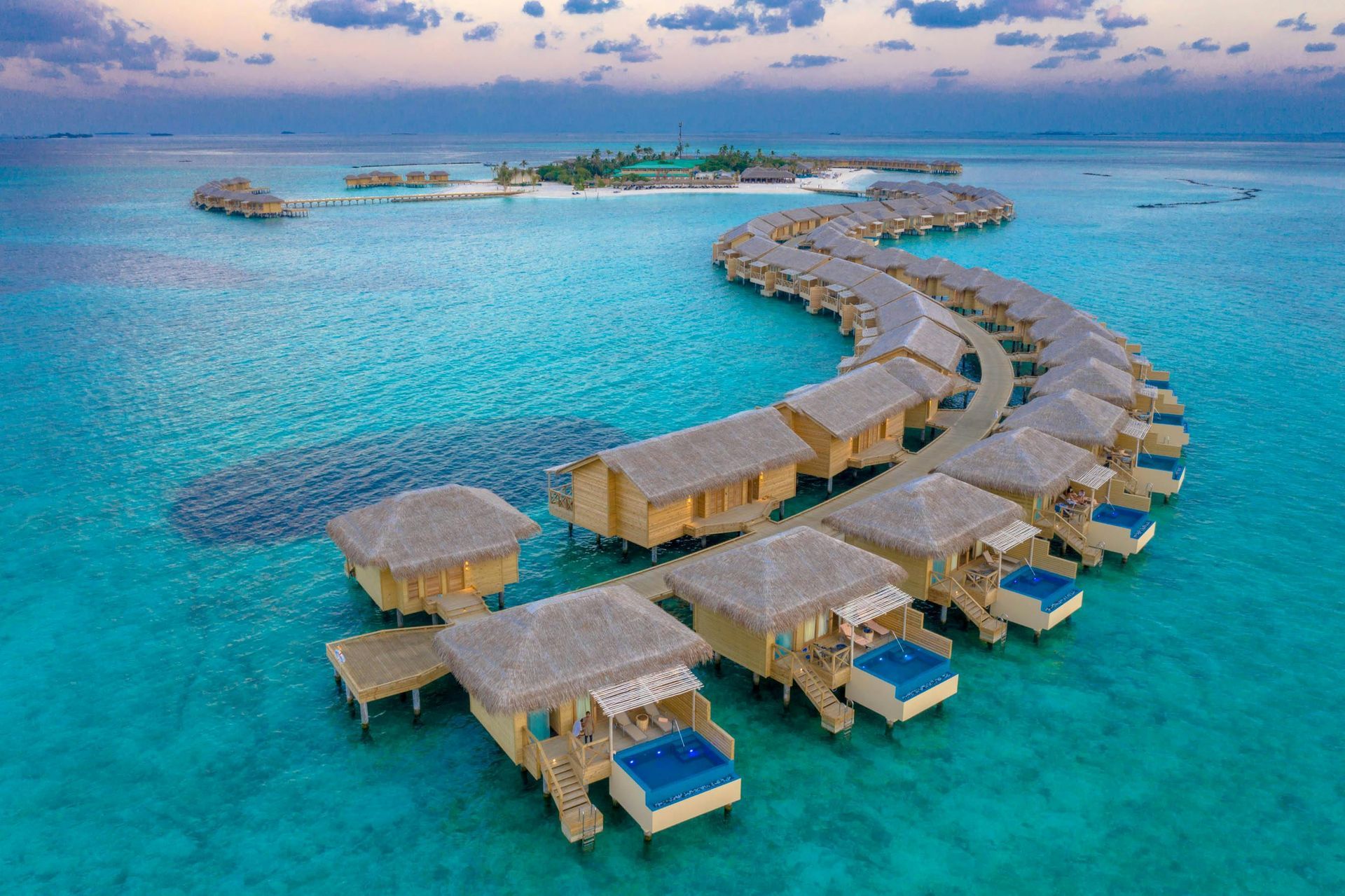
Water villas can be magical, but they are not always the safest choice for young children. Steps directly into the lagoon, open decking and deep water may make parents feel less relaxed. A beach villa or family villa can be a better choice for younger children, especially if you want easy access to sand, shade and restaurants.
Sun safety also matters. The Maldives is close to the equator, so sunburn can happen quickly, even on cloudy days. Children need high-factor sunscreen, hats, rash vests, shade breaks and plenty of water.
If you are planning with children, our guide to Maldives family holidays can help narrow down child-friendly island choices, villa styles and transfer considerations.
Is the Maldives Safe for Solo Female Travellers?
The Maldives can be safe for solo female travellers, especially on reputable resort islands where transfers, dining, activities and accommodation are all managed within one environment. Many solo travellers choose the Maldives for rest, diving, wellness, reading, photography or a complete switch-off.
The experience will differ depending on whether you stay on a private resort island or a local island. Resort islands are generally easier for solo travellers because the environment is self-contained. Local island stays can also be rewarding, but modest clothing, local customs, transport arrangements and evening movement need more thought.
Practical safety steps include pre-booking transfers, choosing well-reviewed accommodation, letting someone know your itinerary, avoiding isolated areas at night and being cautious with alcohol. If you are joining excursions, book through your resort or a reputable operator rather than informal arrangements.
Solo female travellers should not feel the Maldives is off-limits. But the safest experience usually comes from choosing the right island style, planning transfers properly and being realistic about local cultural expectations.
Is the Maldives Safe for LGBT+ Travellers?
This needs to be answered honestly and carefully. Many LGBT+ travellers visit the Maldives and have relaxed, positive holidays, particularly in private island resorts where the environment can feel discreet, international and welcoming. However, same-sex relations are illegal in the Maldives, and the FCDO warns that conviction can lead to serious penalties.
That legal context matters. The Maldives should not be described simply as “LGBT-friendly” in the same way as destinations where same-sex relationships are legally protected. A resort may feel comfortable in practice, but travellers should still be aware of the country’s laws.
For LGBT+ couples, the practical advice is to choose resorts carefully, avoid public displays of affection, be discreet outside the resort environment and speak to a specialist advisor if you have concerns. Honeymoon-style service may still be possible, but it should be handled sensitively.
This is not about frightening travellers away. It is about giving UK travellers the information they need to make an informed decision. For some couples, the resort environment will feel perfectly comfortable. For others, the legal position may affect whether the Maldives feels like the right destination.
Flight Disruption and Getting to the Maldives from the UK
Getting to the Maldives from the UK is usually straightforward, but there are different routing options. Some travellers fly direct seasonally or on selected services, while many connect through Middle Eastern hubs such as Doha, Dubai or Abu Dhabi.
This matters because your safety planning is not only about the island. It is also about the journey. Regional airspace issues, weather, airline operational changes or missed connections can affect your flights even when the Maldives itself is calm and open.
The FCDO advises travellers to check airline and tour operator updates, monitor travel advice and ensure they have appropriate insurance where disruption may affect flights.
When planning your journey, our guide to flights and transfers to the Maldives from the UK explains why arrival time, seaplane daylight rules, speedboat transfers and connection times can change how easy the holiday feels from the start.
Package Holidays, ATOL Protection and Why Booking Method Matters
Safety is not only about what happens on the island. For UK travellers, it is also about how the holiday is booked, what protection applies and who supports you if something changes.
A flight-inclusive package holiday can give travellers more reassurance than booking every element separately. If your qualifying package is ATOL protected, you have financial protection if the travel company fails. This is different from travel insurance, which covers things such as cancellation, illness, medical treatment, disruption and repatriation.
Ideally, UK travellers should have both: proper financial protection through the way the holiday is booked and comprehensive travel insurance for personal and medical risks. This is particularly useful for package holidays to the Maldives, where the trip may include international flights, seaplane or speedboat transfers, accommodation, meal plans and excursions. If one part changes, the knock-on effect can be significant.
When booking ATOL protected Maldives holidays, travellers should still read the details carefully. Check whether transfers are included, whether the resort confirms transfer timings, whether all passengers are covered by the same arrangements and whether insurance includes the activities planned.
For many clients, this is why booking through a UK travel advisor can feel more reassuring. The advisor can look at the whole journey, not just the hotel photo.
Entry Requirements for UK Travellers
Entry rules can change, so UK travellers should always check official advice before departure. At the time this guide was prepared, British tourists receive a 30-day visa on arrival in the Maldives. The FCDO also states that your passport must have an expiry date at least one month after the date you arrive.
Travellers must also complete the Maldives Traveller Declaration through IMUGA within the required pre-travel window before arrival. If you are travelling from, or transiting through, a country with yellow fever transmission risk, you may need a yellow fever vaccination certificate. This will not apply to most direct UK-to-Maldives travellers, but it can matter on more complex itineraries.
Customs rules are strict. Do not pack alcohol, pork products or prohibited religious materials. If travelling with medication, keep it in original packaging and carry a prescription or doctor’s letter where appropriate. For anything controlled or unusual, check before travel rather than assuming it will be fine.
For a broader overview of visas, documents and arrival rules, our Maldives travel guide for UK travellers is a useful next step.
Which Maldives Stay Feels Safest for You?
A useful way to choose the right Maldives holiday is to match the island style to the traveller. This is where safety becomes personal. The safest option is not always the most expensive one. It is the one that best fits the traveller’s confidence, health, swimming ability, expectations and support needs.
| Traveller Type | Safest-Feeling Choice | Why It Helps |
|---|---|---|
| First-time Maldives visitors | Established private island resort | Transfers dining activities and support are easier to understand |
| Families with young children | Beach villa on a family-friendly resort | Avoids direct overwater access and gives easier beach and restaurant access |
| Nervous swimmers | Calm lagoon resort rather than current-heavy reef focus | Makes swimming feel more relaxed and manageable |
| Keen snorkellers | Resort with guided snorkelling and clear reef briefings | Adds support without removing the marine experience |
| Divers | Resort with reputable dive centre and clear emergency planning | Helps with insurance equipment currents and hyperbaric access |
| Solo travellers | Resort island or well-reviewed local island with pre-booked transfers | Reduces uncertainty around movement and evenings |
| LGBT+ travellers | Carefully chosen private resort with discreet respectful service | Helps travellers feel more comfortable within the legal context |
| Budget-conscious travellers | Local island guesthouse with good reviews and clear cultural guidance | Can be safe but needs more preparation |
- First-time visitors usually feel most comfortable on an established private island resort with arranged transfers and clear facilities.
- Families with young children often benefit from beach villas, shallow lagoons, kids’ clubs and practical dining arrangements.
- Nervous swimmers should prioritise calm lagoons over dramatic reef access.
- Divers and keen snorkellers need reputable operators, proper briefings and insurance that covers their activities.
- LGBT+ travellers may prefer carefully chosen private resorts where the service is discreet, respectful and better suited to their comfort level.
If you are unsure where you fit, start with your biggest concern: transfer complexity, swimming confidence, medical access, family logistics, villa safety, dining, privacy or legal context. Once that is clear, the resort shortlist becomes much easier.
Three Maldives Resorts That Work Well for Safety-Conscious UK Travellers
No resort can remove every risk, and “safe” does not mean the same thing for every traveller. A honeymoon couple, a family with toddlers, a nervous swimmer and an experienced diver will all need different advice. However, these three resorts are useful examples of properties that can suit UK travellers who want a reassuring, well-supported Maldives experience.
Meeru Maldives Resort Island
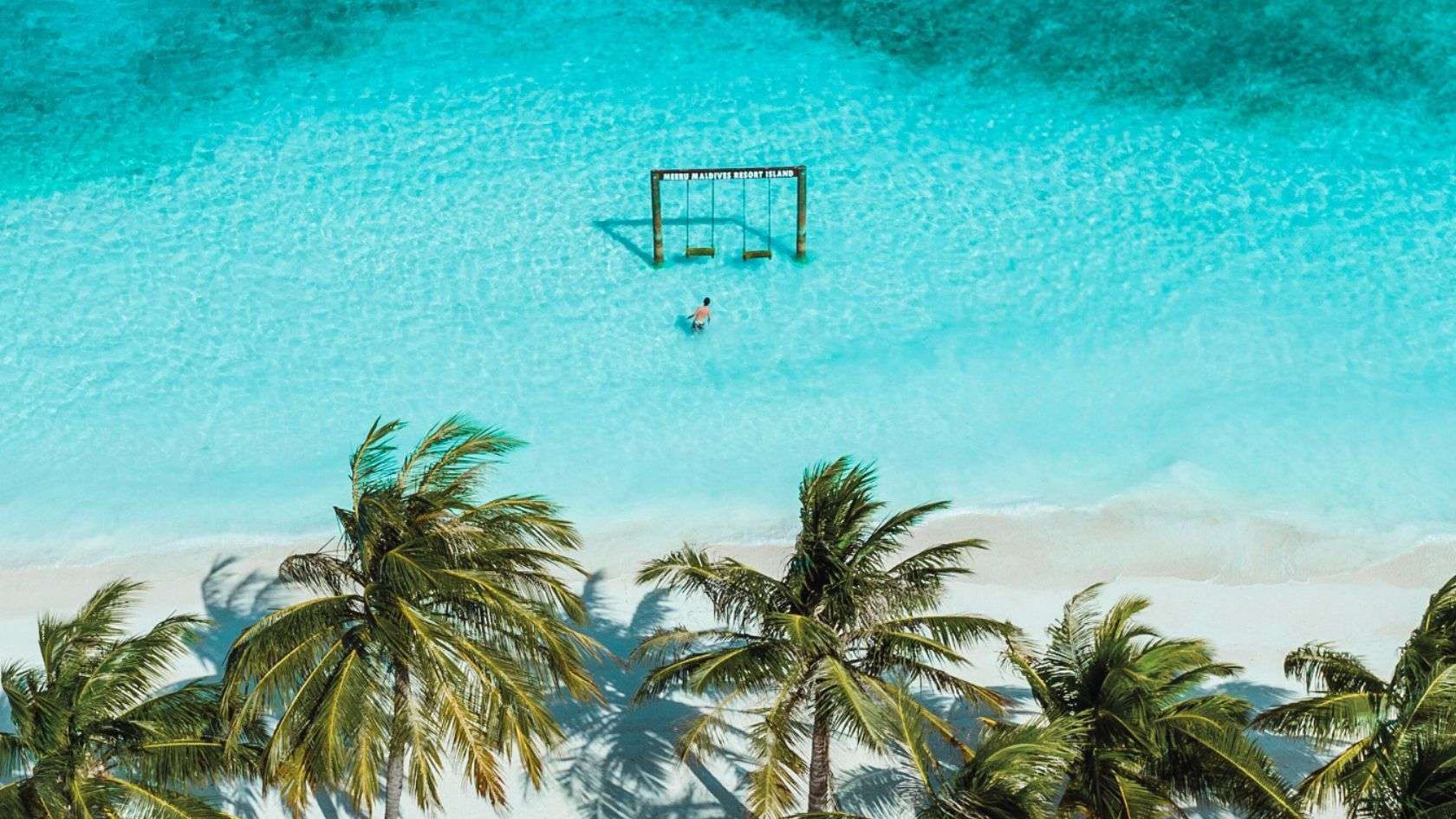
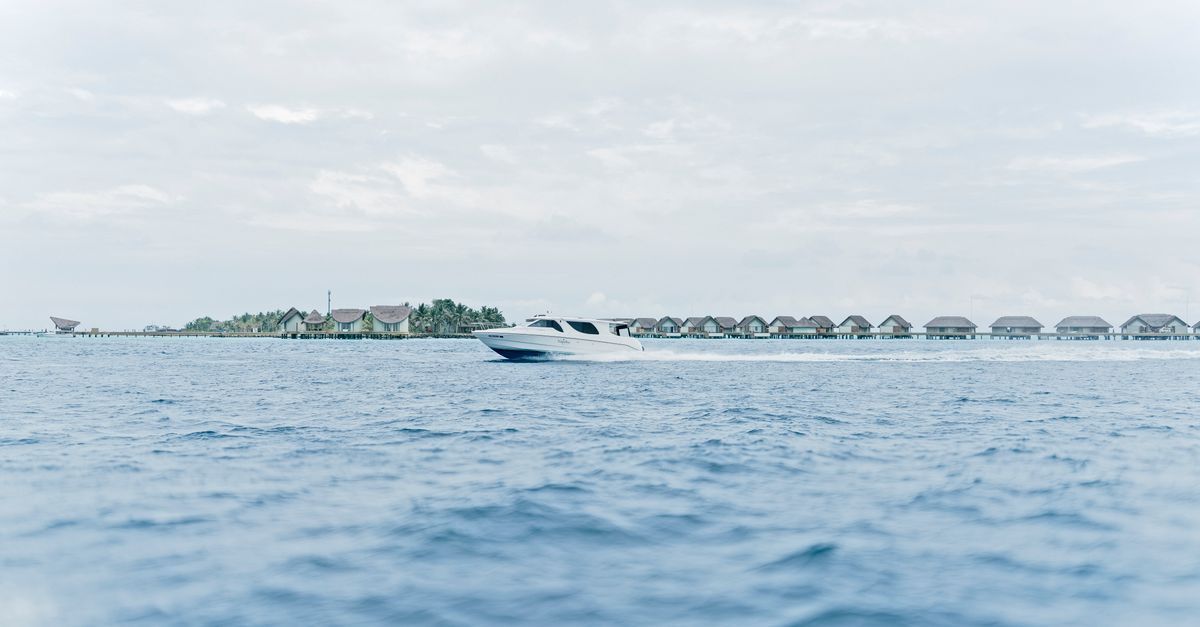
Meeru is a strong choice for first-time Maldives travellers who want a classic private island resort without an overly complicated transfer. Its speedboat access from Velana International Airport can be reassuring for families, nervous flyers or clients who do not want a seaplane or domestic flight after a long-haul journey.
From a safety-planning perspective, Meeru works well because it offers a contained resort environment, straightforward transfers and broad appeal for couples and families. It is not just about luxury; it is about ease. For UK travellers asking “is the Maldives safe for a first visit?”, Meeru is the type of resort that can make the destination feel manageable.
Best suited to: first-timers, families, couples and clients wanting a speedboat transfer and classic island-resort setup.
What to check before booking: current transfer timings, whether your arrival flight connects comfortably with the speedboat, which beach or water villa category suits your travellers, and where the safest swimming areas are around the island.
Niva Kuramathi Maldives
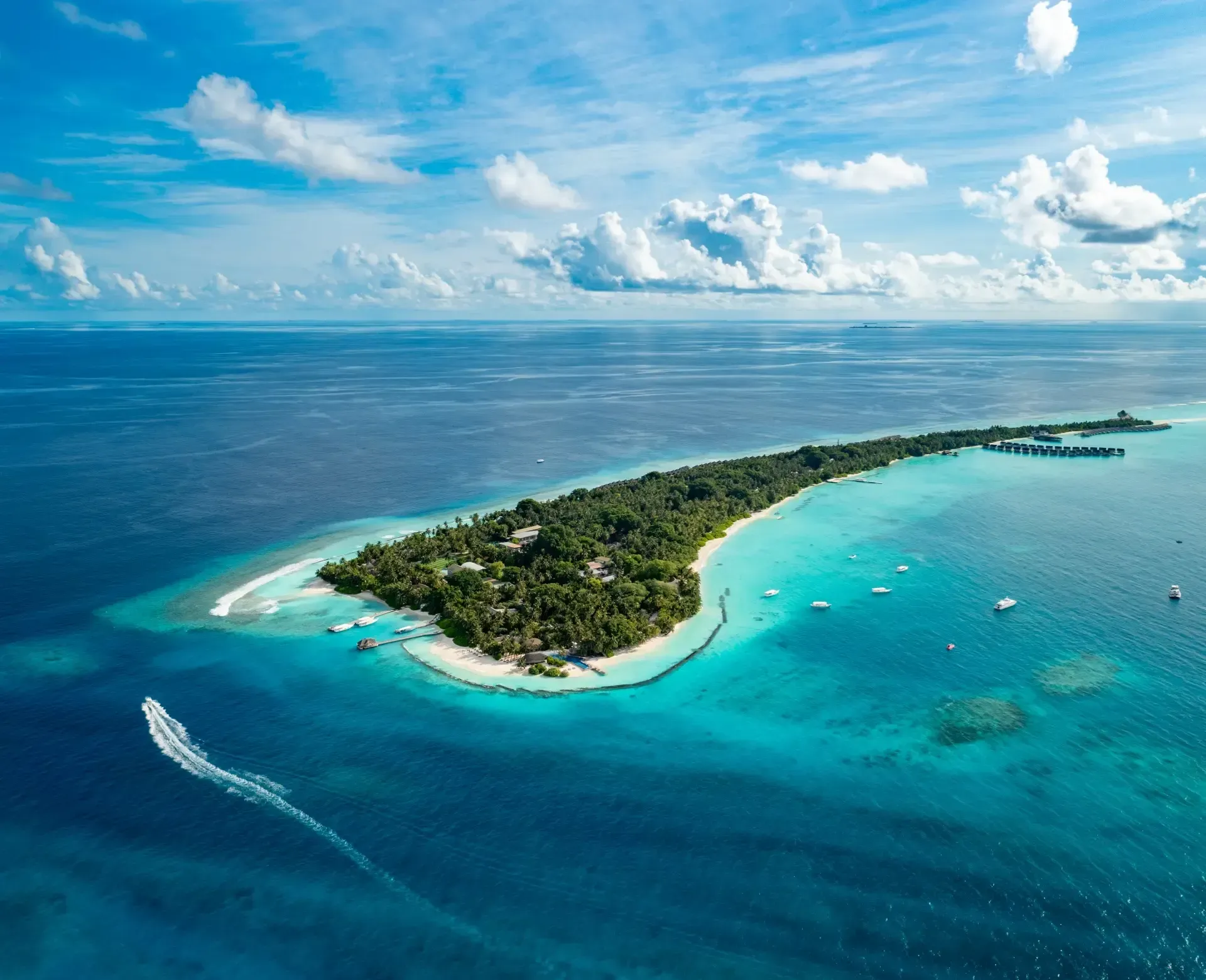
Kuramathi is one of the Maldives’ larger and more established resort islands, which can be reassuring for travellers who like choice and infrastructure. Larger islands can suit guests who worry about feeling too isolated, as there are usually more dining choices, more walking space and more activity options.
Kuramathi is also a good example of why resort choice matters for water safety. A beautiful reef is a major attraction, but snorkelling conditions should always be checked locally. Guests should ask where to enter, where currents are strongest and whether guided snorkelling is recommended.
Best suited to: families, couples, repeat Maldives travellers, snorkellers and guests who want a larger island with more facilities.
What to check before booking: reef access, current advice, villa location, family facilities, dining access, transfer route and whether guided snorkelling is recommended for your confidence level.
Avani+ Fares Maldives Resort
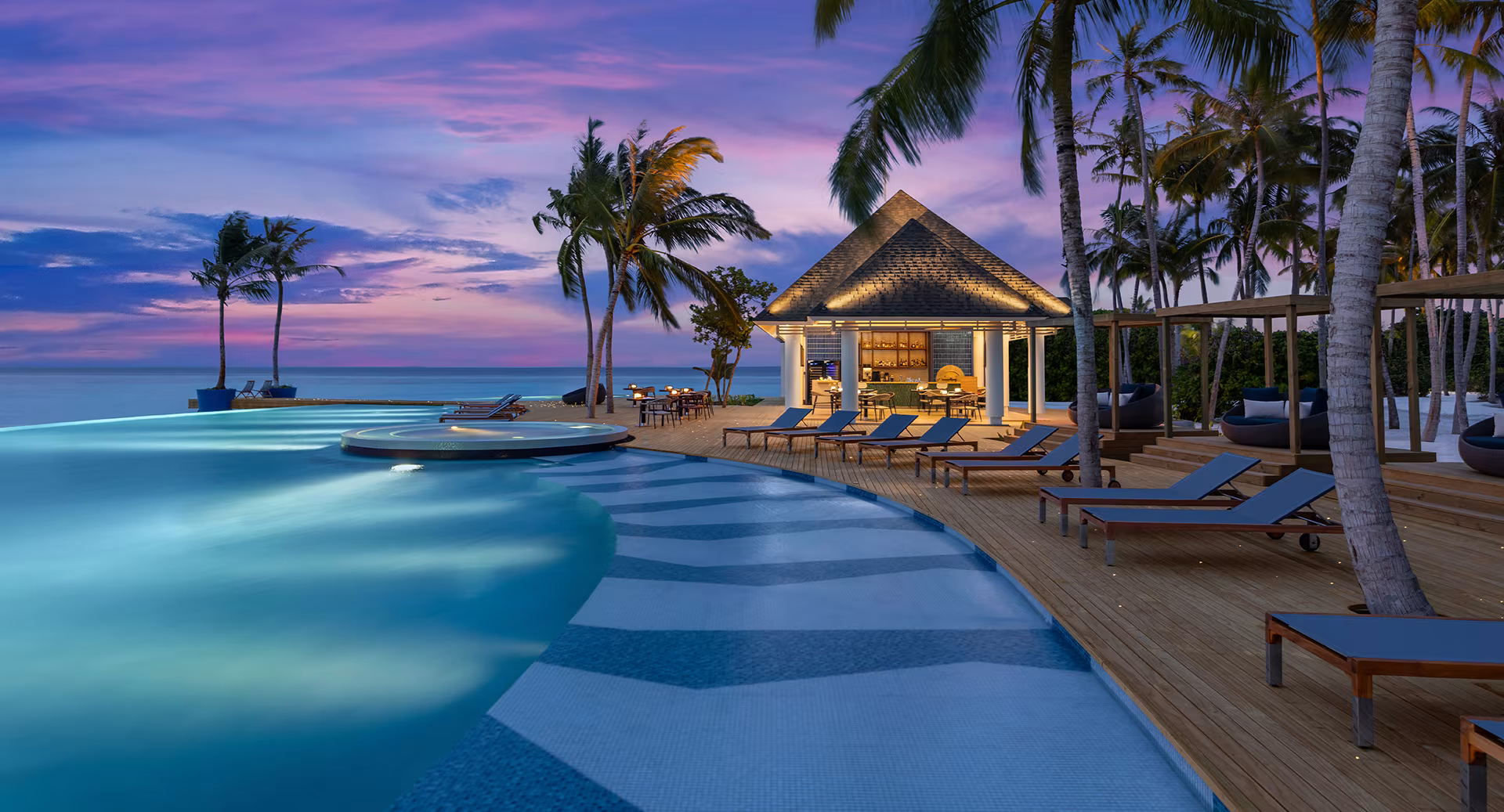
Avani+ Fares is located in Baa Atoll, close to an area known for marine biodiversity. This makes it a strong option for travellers who want a marine-life-focused Maldives holiday, but it also demonstrates why safety advice matters. Manta rays, reefs, diving and snorkelling are incredible experiences, yet they should be organised through reputable operators with clear safety procedures.
The transfer arrangements should be explained clearly to UK travellers before booking, especially families, older clients or anyone anxious about multiple travel stages. For the right traveller, the location can be a huge part of the appeal. For the wrong traveller, the journey may feel more complex than expected.
Best suited to: families, marine-life lovers, snorkellers, divers, active couples and clients wanting a modern resort in Baa Atoll.
What to check before booking: transfer route, arrival timing, domestic flight or seaplane arrangements, water sports operator standards, snorkelling guidance and whether your insurance covers the activities you plan to do.
| Resort | Why It Works Well | Best For | Safety Planning Point |
|---|---|---|---|
| Meeru Maldives Resort Island | Straightforward speedboat access from Velana International Airport and broad resort facilities | First-timers families and couples | Good for travellers who prefer to avoid seaplane or domestic flight transfers |
| Niva Kuramathi Maldives | Larger island style strong family appeal and established resort infrastructure | Families snorkellers and repeat Maldives visitors | Guests should check reef access currents and guided snorkelling options |
| Avani+ Fares Maldives Resort | Baa Atoll setting marine-life focus and family-friendly facilities | Marine-life lovers active families and divers | Transfer involves seaplane or domestic flight plus speedboat so timings should be planned carefully |
How to Choose a Safer Maldives Resort
Choosing a safer Maldives resort is not about finding one magic island. It is about matching the resort to the traveller. For families, look for shallow lagoons, beach villas, children’s facilities, shaded spaces, flexible dining, medical support and sensible transfer times. For honeymooners, privacy and romance matter, but so does transfer reliability, villa location and whether you are comfortable with steps directly into the sea.
For nervous swimmers, a calm lagoon may be more important than a dramatic house reef. For divers, the dive centre, insurance requirements, emergency procedures and access to recompression facilities matter. For LGBT+ travellers, discretion, resort culture and advisor knowledge may be more important than the brochure description.
Ask these questions before booking:
- How do we get from Malé airport to the resort?
- Is the transfer by speedboat, seaplane, domestic flight or a combination?
- What happens if our international flight is delayed?
- Does the resort have a clinic, doctor or nurse?
- Is the lagoon suitable for children or nervous swimmers?
- Are there strong currents near the reef?
- Are life jackets available for excursions?
- Is the resort suitable for our traveller type?
- Does our insurance cover the activities we plan to do?
- Is the holiday financially protected?
Our guide to choosing the right Maldives resort goes deeper into how island size, dining, transfer style, villa type and atmosphere affect the whole holiday. It is especially useful if safety, comfort or avoiding booking mistakes are important to you.
Helpful Maldives Guides to Read Next
If you are still deciding whether the Maldives is the right destination, it is worth reading around the practical details before choosing a resort. For value and board basis, our guide to all inclusive Maldives holidays explains why meal plans matter so much on private island resorts.
For villa choice, Maldives water villas can help you decide whether an overwater stay is right for your comfort level, swimming confidence and family setup. For food and drink, our guide to Maldives resort dining explains why the island’s restaurants and meal plan can shape the whole holiday.
These guides sit alongside this safety article because the safest-feeling Maldives holiday is usually the one where the island, villa, transfer, dining and activities all fit the traveller properly.
Practical Safety Checklist Before You Travel
Before travelling to the Maldives, UK travellers should work through a simple safety checklist.
- Check the latest FCDO Maldives travel advice before you book, before you pay your balance and again shortly before departure.
- Check your passport validity and make sure your details match your booking.
- Complete the IMUGA Traveller Declaration within the required window before arrival.
- Buy travel insurance as soon as you book, not the day before travel.
- Make sure insurance covers medical treatment, repatriation, cancellation, missed departure, travel disruption and planned water activities.
- Pack medication in original packaging with a prescription or doctor’s note where needed.
- Do not pack alcohol, pork products or prohibited items.
- Ask resort staff where it is safe to swim and snorkel.
- Use official transfers and reputable excursion providers.
- Keep valuables secure, even on resort islands.
Most of this is simple, but it makes a difference. Good Maldives planning is rarely about one dramatic safety decision. It is usually a series of sensible small checks that make the whole holiday feel calmer.
Jamie Says:
“When people ask whether the Maldives is safe, I always think the better question is: safe for which traveller, on which island, doing which activities? A private island resort can feel incredibly easy and reassuring, but that does not mean every resort, transfer, villa or excursion suits every client. We look at the whole trip — flights, transfers, villa type, swimming confidence, medical access, family needs, board basis and support — because the right match makes the Maldives feel effortless.”
Final Verdict: Is the Maldives Safe?
Yes, the Maldives is generally safe for UK travellers, especially those staying on established private island resorts. For most holidaymakers, the Maldives is a peaceful, highly memorable destination with low crime on resort islands and a well-developed tourism industry.
But safe does not mean risk-free. The Maldives has strict local laws, especially around alcohol, drugs, dress, religion and same-sex relationships. Malé and Hulhumalé have different safety considerations from resort islands. Swimming, snorkelling and diving need proper care because currents and marine conditions can change. Medical care may be limited on remote islands, so insurance is essential. Flights and connections can also be affected by wider regional disruption.
The safest way to approach the Maldives is not with fear, but with preparation. Choose the right island, check official UK advice, understand local customs, take the ocean seriously and make sure your holiday is properly protected.
For many UK travellers, the Maldives is absolutely worth it. It just deserves to be planned properly.
Maldives Safety FAQs
Is the Maldives safe for UK travellers right now?
Yes, the Maldives is generally safe for UK travellers, especially those staying on established private island resorts. However, UK travellers should always check the latest FCDO Maldives travel advice before booking and again before departure. Current guidance highlights issues such as travel disruption, insurance, local laws, security awareness and water safety. For most British travellers, the biggest practical risks are not serious crime on resort islands, but swimming conditions, medical access, travel insurance exclusions and understanding local laws.
Is the Maldives safe for tourists?
The Maldives is generally safe for tourists, particularly in private resort islands where accommodation, dining, activities and transfers are managed within a controlled tourism setting. Crime levels are low on exclusive resort islands, although petty crime can happen, so travellers should still use room safes and avoid leaving belongings unattended. Tourists should take extra care in Malé and Hulhumalé, respect local laws, and follow resort advice around swimming, snorkelling and boat trips. The Maldives is safe for most tourists when approached with normal travel awareness.
Is the Maldives safe for families?
Yes, the Maldives can be a very safe and relaxing destination for families when the right resort is chosen. Families should look for calm lagoons, child-friendly accommodation, sensible transfer times, kids’ clubs, shaded areas, suitable dining and good resort support. Beach villas are often better than overwater villas for younger children because they avoid direct access to deep water. Parents should take sun exposure, swimming supervision and boat excursions seriously. The Maldives works best for families when the island is chosen around the children’s ages, confidence and routine.
Is the Maldives safe for solo female travellers?
The Maldives can be safe for solo female travellers, especially on reputable resort islands where transfers, accommodation, dining and excursions are arranged in advance. A resort island is usually the simplest option because the environment is contained and staff are used to international guests. Local island stays can also be safe, but they require more awareness of modest dress, cultural expectations and evening movement. Solo travellers should pre-book transfers, avoid isolated areas after dark, keep someone updated on their itinerary and book excursions through reliable operators.
Is the Maldives safe for LGBT+ travellers?
Many LGBT+ travellers visit the Maldives and enjoy positive holidays, particularly on private island resorts, but the legal position must be understood. Same-sex relations are illegal in the Maldives, and the FCDO warns that conviction can lead to serious penalties. Resort environments may feel discreet and welcoming in practice, but travellers should avoid public displays of affection, especially outside resorts. LGBT+ travellers should choose resorts carefully and speak to a knowledgeable advisor if comfort, privacy or legal context is a concern.
Is Malé safe for tourists?
Malé can be visited safely with sensible precautions, but it is very different from a private island resort. It is a busy capital city, and the FCDO notes that protests occasionally take place there and should be avoided. It also identifies gang-related violence mainly in Malé and Hulhumalé. Most resort guests only pass through the airport and transfer area. If you need to stay overnight near Malé, use reputable accommodation and transfers, keep valuables secure, avoid quiet streets after dark and follow local advice.
Is it safe to swim and snorkel in the Maldives?
Swimming and snorkelling can be safe in the Maldives, but the ocean must be treated with respect. The FCDO warns that strong tidal currents can drag swimmers away from the shoreline and says more than eight British tourists have drowned since 2021. Always ask resort staff where it is safe to swim, follow warning flags, avoid swimming alone if unsure and wear a life jacket if needed. On snorkelling trips, stay with guides, keep clear of boats and do not underestimate currents.
Is scuba diving safe in the Maldives?
Scuba diving in the Maldives can be safe when arranged through a reputable dive centre and matched to your experience level. Travellers should check equipment standards, instructor qualifications, emergency procedures and whether their travel insurance covers the depth and type of diving planned. The FCDO notes that many resort islands are more than an hour from the nearest hyperbaric chamber, so divers should understand how an operator would respond in an emergency. Never exaggerate your ability or join a dive that feels beyond your confidence.
What should I not bring into the Maldives?
UK travellers should not bring alcohol, pork products, illegal drugs or items deemed contrary to Islam into the Maldives. Official UK advice states that there are strict customs rules and that items such as alcohol, pork products and materials contrary to Islam are illegal to bring in. Prescription medication should be kept in original packaging, with a prescription or doctor’s letter where appropriate. Do not assume that something legal in the UK is automatically allowed. Check official advice before travelling with unusual medication or specialist items.
Do I need travel insurance for the Maldives?
Yes, travel insurance is essential for the Maldives. Many islands are remote, and serious illness or injury may require transfer to Malé or medical evacuation. Your policy should cover medical treatment, repatriation, cancellation, missed departure, travel disruption and any activities you plan to do, including snorkelling, diving or water sports. The FCDO advises travellers to get appropriate insurance that covers their itinerary, planned activities and emergency expenses. Travel insurance is separate from ATOL protection, so UK travellers should ideally have both.
Plan your perfect Maldives holiday
What kind of Maldives escape are you dreaming of?
When would you like to travel?
The Maldives is stunning year-round — we'll guide you on the best time for your chosen atolls.
Who is travelling?
Ages help us match the right resort, room size and any child-friendly amenities.
Budget & flights
All optional — the more you share, the more tailored your quote will be.
Resort preferences
Help us narrow down the perfect island for you.
Almost there — how do we reach you?
A Maldives specialist will be in touch personally. No call centres, no scripts.
Enquiry sent!
Thank you — your Maldives specialist will be in touch very soon to start planning your perfect escape. 🌴
Recent Posts